

SESI Behavior Expert Featured in K-12 Dive; Discusses Remote Learning

A major shift in learning occurred in 2020, when educators had to rethink the Individualized Education Programs (IEPs) of students with special needs.
K-12 Dive, a publication that gives insight into impactful news and trends shaping K-12 education, featured SESI’s Diane Myers, SVP of Behavior, in an article highlighting the struggles — and silver linings — of digital special education.
“Early in the pandemic, many schools tried to move what they were doing in-person to a remote format and had this been just a short-term solution, it would have worked,” said Myers. She added, “the pandemic dragged on and educators realized virtual learning wasn’t just a temporary hiatus from in-person learning. Many special educators incorporated digital strategies to better support students with disabilities.”
Read the entire article here.

Read the article
Related Resources
-
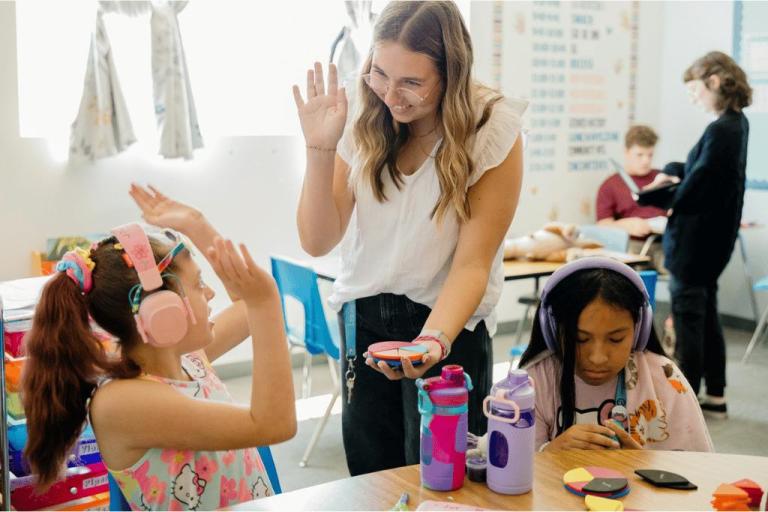

12 Strategies for Supporting Student Behavior
Dr. Diane Myers shares 12 evidence-based strategies for responding to student behaviors that do and do not meet expectations.August 26, 2026 -
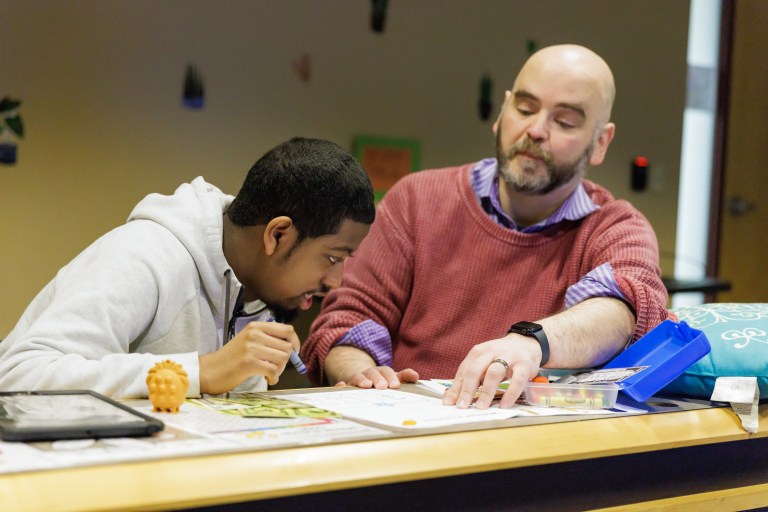
Engaging Every Student: Four Opportunities to Respond in Special Education
A teacher asks a question, three eager hands go up, one student answers, and the class rolls on. It looks like engagement, but for everyone who never had to commit to an answer, it isn’t. For students with learning differences especially, one simple practice can close that gap: opportunities to respond.October 9, 2026 -
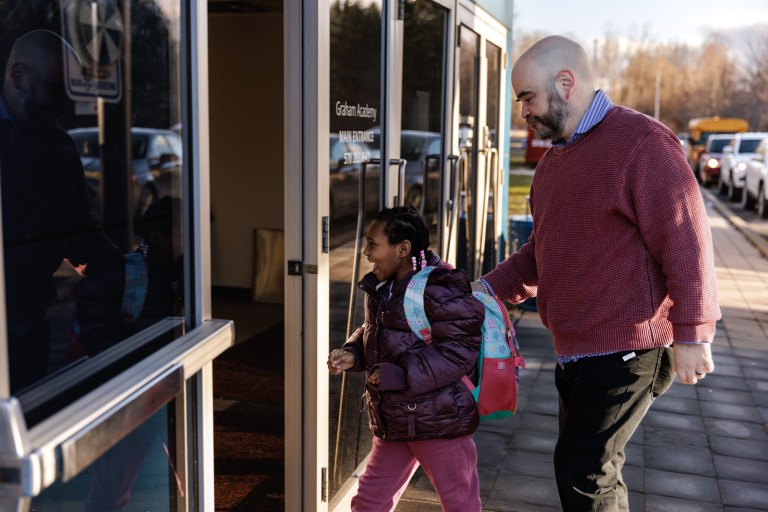
Say What You Want to See: Proactive Behavior Support That Works
Brittany Croteau shares evidence-based strategies for teaching clear expectations and using proactive, actionable language to support student behavior.October 30, 2026