

12 Strategies for Supporting Student Behavior
By Dr. Diane Myers, Senior Vice President, Integrated Support, Specialized Education Services, Inc. (SESI)
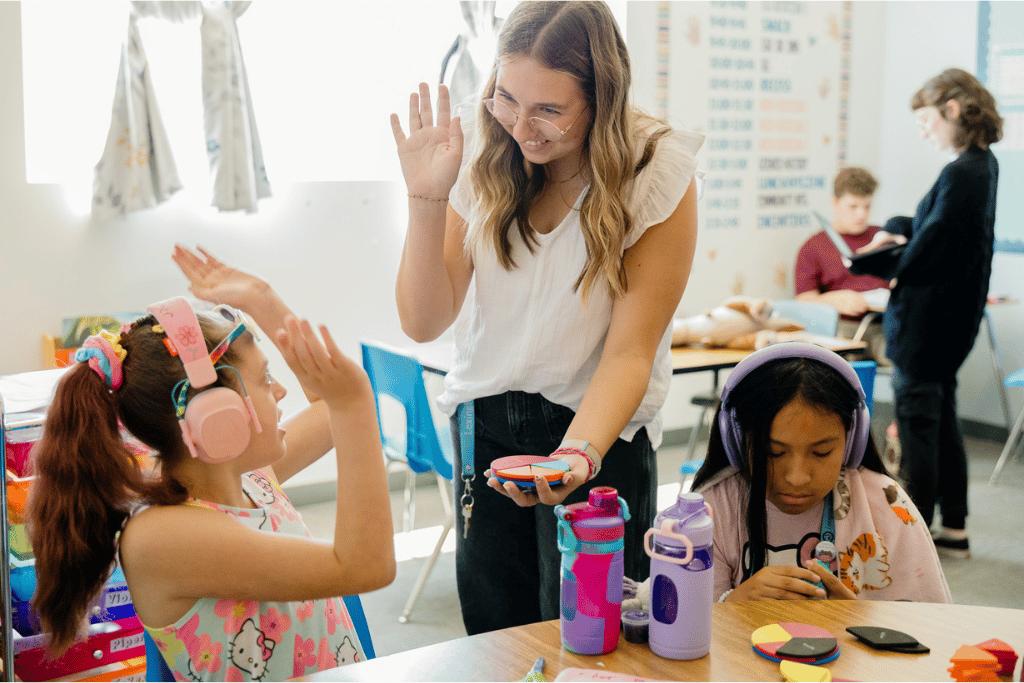
Every classroom aims to be a welcoming, inclusive, and supportive community for teammates and students. Getting there requires a plan and a solid foundation so a positive culture is fostered, maintained, and strengthened throughout the year.
Traditionally, schools have focused on reacting to inappropriate behaviors. Many schools have weighty discipline handbooks, but much less direction and preparation devoted to how they respond when students do well. We should refocus our attention and preparation on how we can encourage students to meet our expectations and how we can respond when they do.
How Our Behavior Impacts Student Behavior
Our students’ behavior has a tremendous impact on our community; the only thing more impactful is our behavior. We contribute to our school’s positive culture by modeling what it looks like to be supportive and helpful, actively listening to and cultivating relationships with our students, and focusing on proactively arranging the environment to encourage appropriate behavior and prevent inappropriate behavior.
Part of being proactive and preventative is planning for and practicing our responses to student behavior. Often, we focus only on responding to inappropriate behavior, usually after an inappropriate behavior occurs. Rather than waiting for an inappropriate behavior to happen and then figuring out how to react, educators should be ready to respond to both appropriate and inappropriate behaviors when they occur.
The 12 strategies below provide practical ways educators can prepare for and respond to both appropriate and inappropriate student behavior. You can also download a printable version of all 12 strategies here.
Responding to Appropriate Behavior
Start by focusing attention and preparation on fostering appropriate behavior and responding effectively when you see it.
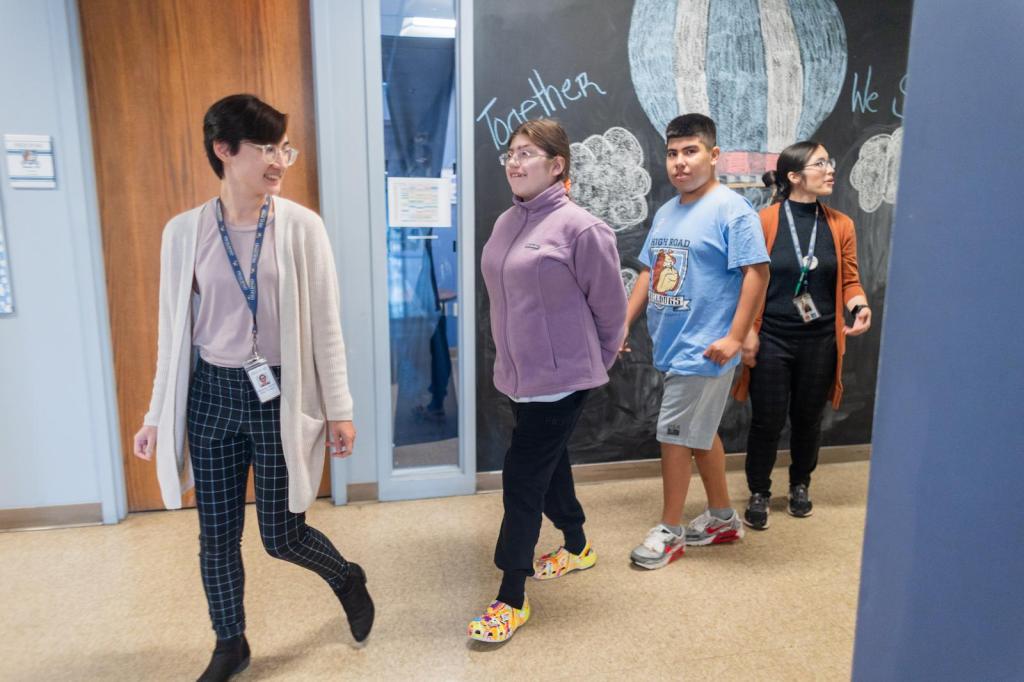
- Clearly define expectations for student behavior across routines. One of the most efficient and effective ways to do this is by establishing a rules-within-routines matrix. Identify three to five broad expectations (e.g., be safe, be respectful, be responsible) and define what those expectations look and sound like across different school-day routines and settings. For example, “being safe” (expectation) during “transition” (routine) might be defined as “keeping hands and feet to self,” “walking on the right side of the hallway,” and “going directly to the destination.”
- Explicitly teach those behavioral expectations to students, and provide frequent reminders. This can involve prompting students about the expected behaviors before they begin a new routine. For example, prior to a transition, you could ask, “Who remembers what it looks like to be safe in the hallway?” and as students mention (or demonstrate) the expected behaviors, praise and provide feedback as warranted. It’s also important to revisit and reteach the expected behaviors proactively.
- Respond when students demonstrate those behaviors. When students are meeting our expectations, we are much less likely to acknowledge those behaviors than we are to acknowledge behaviors that don’t meet our expectations. We need to reverse this: we should be paying more attention to the behaviors that meet our expectations, since those are what we want to see occurring again. The term reinforcement, behaviorally speaking, means that behaviors followed by pleasant results for the person behaving tend to be repeated in the future, so we must apply that principle when we see students meeting our expectations.
Strategies for Responding to Appropriate Behavior
Schools and classrooms can establish a continuum of responses for responding to appropriate behavior. These may include:
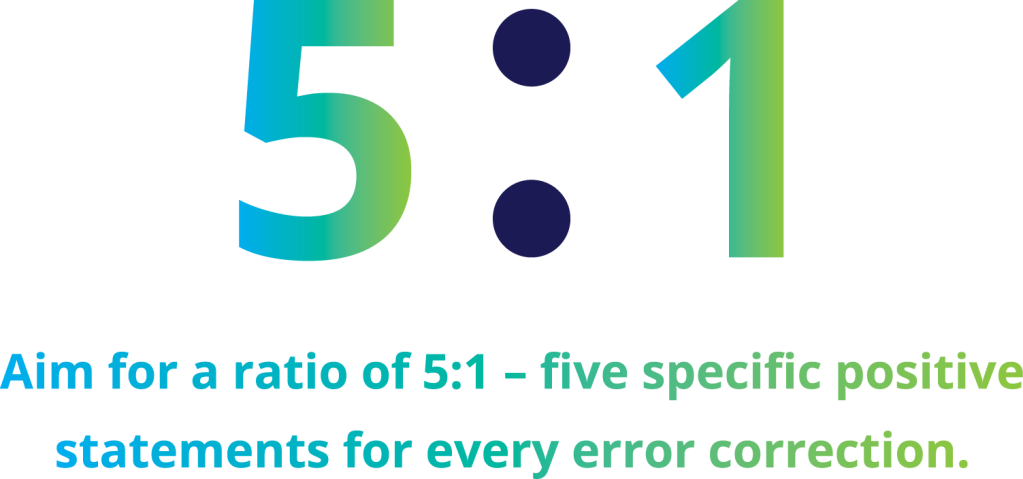
- Specific and contingent praise. When we observe a behavior that meets our expectations, respond with a verbal statement that includes the behavior and a positive phrase or comment. (“Josh, thank you for sitting quietly while waiting to begin” or “Team One put all their materials away in the right spot, nicely done.”) Behavior-specific praise should be authentic, delivered in your normal tone of voice, and frequent. We recommend a ratio of 5:1 – five specific positive statements for every error correction. Behavior-specific praise is an efficient, effective way to reinforce appropriate behavior.
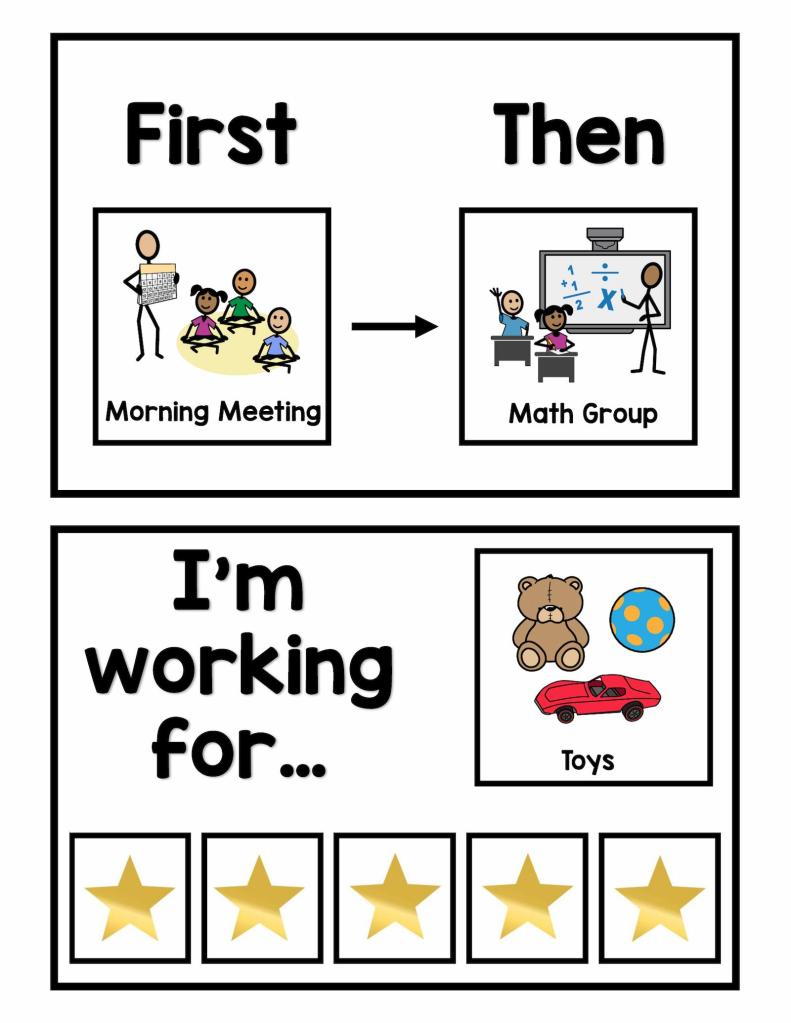
- Overt recognition of appropriate behavior. This strategy can increase the likelihood of those behaviors occurring again in the future and includes evidence-based practices such as:
- Developing a token economy, where certain behaviors result in a generalized conditioned reinforcer (e.g., actual tokens, points, stickers, tally marks) and once a certain level is reached, those “tokens” can be exchanged for backup reinforcers that are valuable to the student (e.g., time with friends, preferred seating, raffle tickets).
- Creating a behavior contract for students who may need more support to meet expectations. This contract should identify what the student should do (not what they shouldn’t do) and what they will earn for meeting those expectations.
- Making a plan for fading that involves requiring “more” behavior to earn rewards (e.g., longer duration, more sophisticated behavior, increased latency between behaviors) or transitioning to more natural reinforcers (e.g., praise, social rewards, leadership, or mentorship opportunities).
Responding to Contextually Inappropriate Behavior
Establishing, defining, teaching, prompting for, and reinforcing expected behaviors will help to prevent the occurrence of inappropriate behavior. However, students may still make behavioral errors; after all, mistakes are a natural and expected part of the learning process. Here are a few ways to respond to inappropriate behavior:
- Bring a supportive and helpful mindset when responding to behavior errors and don’t assume the student won’t engage in the appropriate behavior. When students make academic errors, we automatically respond from a supportive and helpful place; after all, we know the student didn’t “mean” to make the error. Behavioral errors should be treated similarly. For example, if a student talks loudly to a peer during a lesson, don’t say “Be quiet” or “No talking”—instead, approach it as an error by reminding the student what they should be doing: “Michael, paying attention looks like being quiet and focusing on your work.” If Michael is quiet, be sure to acknowledge immediately: “Thank you, Michael – appreciate you getting focused.” If Michael isn’t quiet, provide another reminder and be sure to offer help: “If you need anything from me, let me know.”

- Provide behavior-specific praise to those students who are meeting expectations. It bears repeating – behavior-specific praise should occur frequently. Always keep in mind the 5:1 ratio – five specific positive statements for every error correction.
Strategies for Responding to Contextually Inappropriate Behavior
As with appropriate behavior, we recommend developing a continuum of strategies for responding to inappropriate behavior. Examples include:
- Name the expected behavior rather than the misstep. State what you want to see, give the student a moment to demonstrate it, then acknowledge them when they do. That pause matters.
- Address the behavior privately. Stepping into the hallway or waiting for a transition respects the student’s privacy and lowers the odds of escalation.
- Offer a short, structured break or a change of scenery. A brief break gives a student room to reset. Define in advance what a break looks like, such as where the student goes, how long it lasts, and how they signal they are ready to return
- Pause access to earned privileges (e.g., ability to access token economy). The student regains access as soon as they demonstrate appropriate behavior.
- Require the student to complete a restorative task. The task should repair the specific damage they caused to the environment, others, or the student themselves.
If there is a safety concern or if the student is highly escalated, shift from responding to inappropriate behavior to crisis prevention.
Remember: always remain supportive and helpful. Offer to assist the student, and recognize appropriate behaviors when errors are corrected.

About the author: Diane Myers, Ph.D. leads SESI’s Integrated Support team, overseeing the organization’s behavioral, academic, and therapeutic systems. With more than 20 years of experience as a special educator, professor, and researcher, she specializes in Positive Behavioral Interventions and Supports (PBIS), staff development, and evidence-based practices that help schools create positive learning environments for students with intensive needs.
Related Resources
-


5 Strategies for Supporting Children with Behavioral Challenges During Summer Break
Summer break is a time associated with being carefree, enjoying the sun and some down time, and limited structure. Families of…May 1, 2023 -

Empowering Students to Tackle Test Anxiety
Test anxiety is normal, but it doesn’t have to hold you back. Learn proven strategies for managing stress, boosting focus, and achieving your academic goals.March 27, 2024 -

5 Tips for Fostering a Positive Learning Environment for Students with Autism
Creating a positive environment for students with autism is essential for their academic and social development. Learn more about the effective strategies that encourages positive social interactions between students and educators.April 4, 2024