

Engaging Every Student: Four Opportunities to Respond in Special Education
By Faith Ware, Vice President, Teaching & Learning, Specialized Education Services, Inc. (SESI)
Confession Time: The “Three Hands and Done” Trap
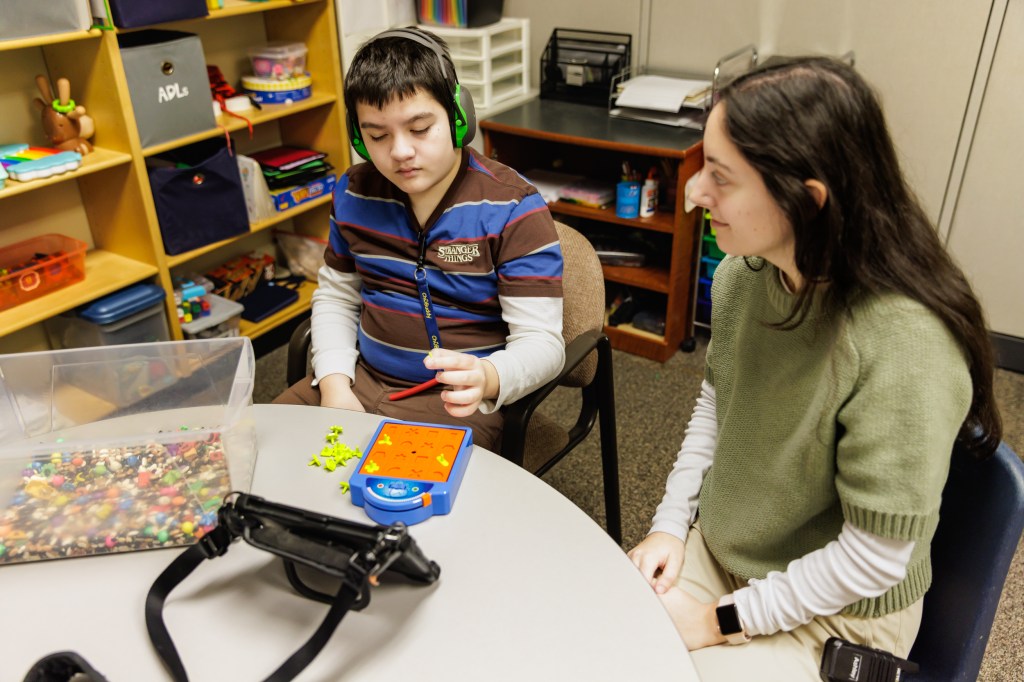
We’ve all seen it (and if we’re honest, we’ve all done it). A teacher asks a question, three eager hands shoot up, one student answers, and the class rolls on. It feels like engagement. But for the other students who never had to commit to an answer? That’s not engagement. Often, it’s a really good nap with their eyes open!
For students with learning differences especially, that gap between looking engaged and actually engaged is a big deal. Many learners need more processing time, more entry points, and more chances to show what they know in a way that doesn’t require winning the hand-raising race. That’s where one wonderfully simple practice comes in: increasing students’ opportunities to respond (OTR).
Why OTR Is a Special Education Superpower
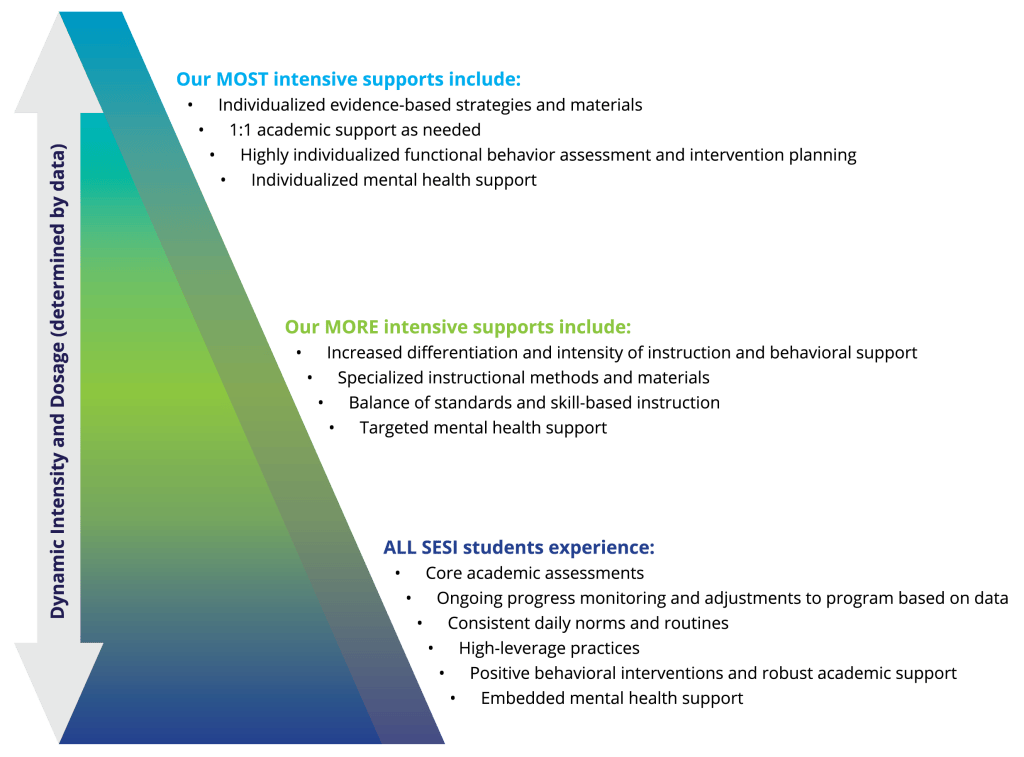
OTR isn’t just a classroom management trick. It’s one of the field’s genuinely research-backed tools. At Specialized Education Services, Inc. (SESI), we think about it through our Support, prevent, Connect framework. We provide support through predictable, structured ways to participate; we prevent frustration and off-task behavior before it starts. We build connection by giving every student a real doorway into the lesson, not just the confident hand-raisers.
It is important to remember this isn’t just a hunch. The IRIS Center at Vanderbilt, a widely used hub for special education research, notes that frequent opportunities to respond make students less likely to go off-task or engage in disruptive behavior, while simultaneously building fluency and content knowledge. Academics and behavior go hand in hand. They’re two sides of the same coin.
Four Types of OTR
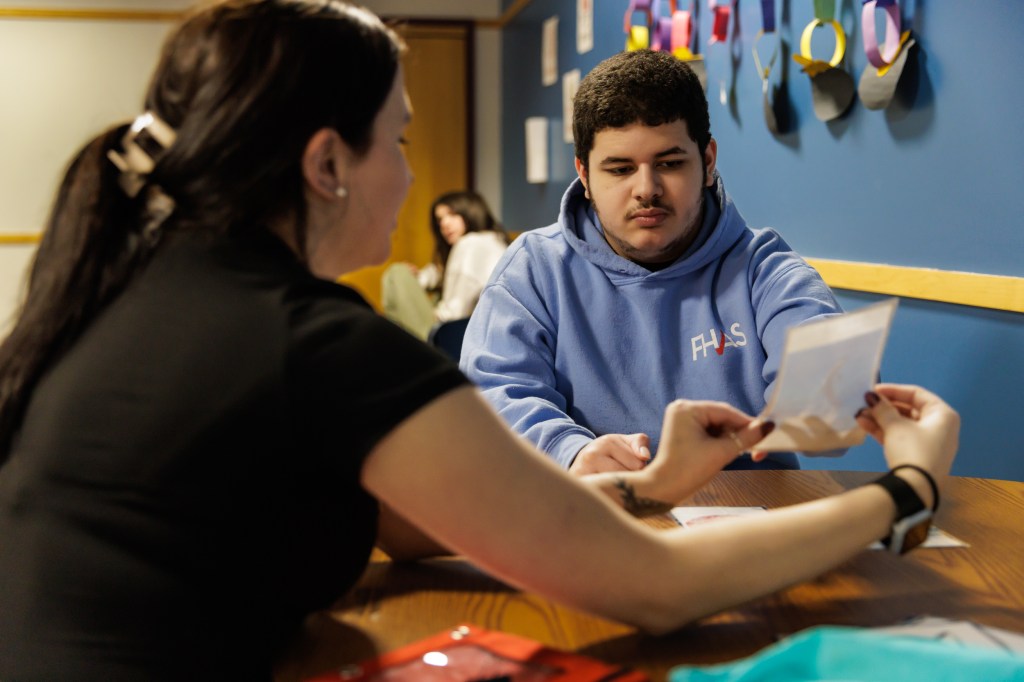
OTR breaks down into four families. Notice how differently students can engage depending on which one you use:
- Verbal: choral responding, think-pair-share, intentional solicitation or “warm call” (kinder than a random cold call), sentence starters for students who need a scaffold.
- Nonverbal: thumbs up/down, “stand if true” movement, colored-card voting.
- Written: quick writes, fill-in-the-blank/cloze, quick digital polls.
- Action-based/kinesthetic: manipulatives, sorting stations, moving to a spot in the room, acting it out.
For students with exceptional needs, this variety is a necessity. The student who shuts down during a verbal cold call might light up with a whiteboard in hand or a sorting card to place. Rotating through all four means nobody’s only “way in” to the lesson is the one thing that’s hardest for them.
The Research Has Our Back
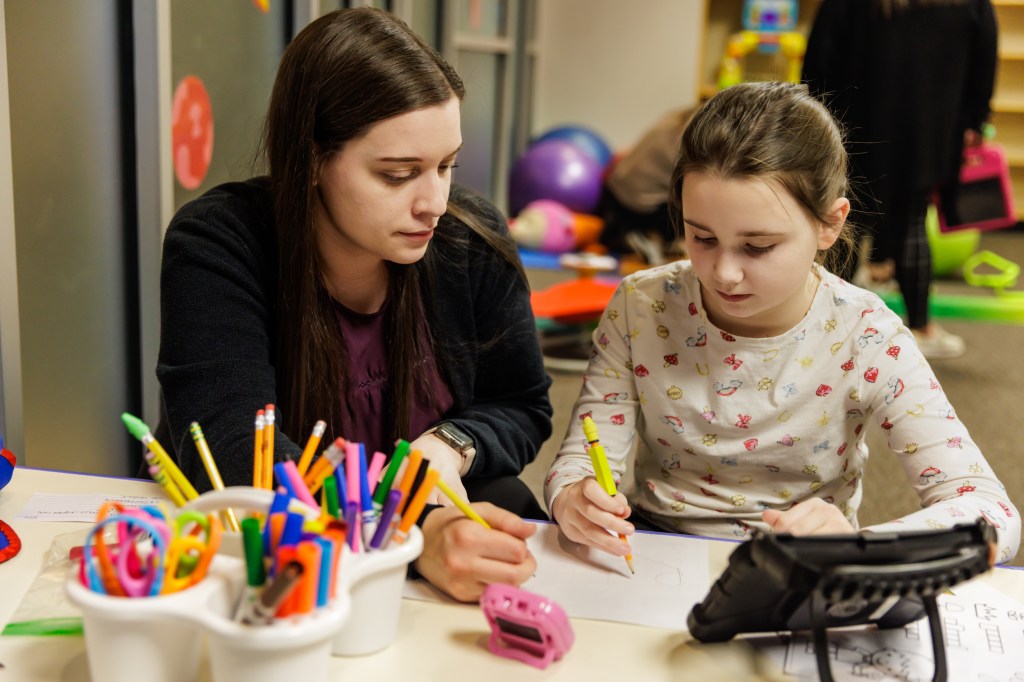
If this feels like “one more thing” on an already full plate, here’s the reframe: OTR is High-Leverage Practice #18 — Use strategies to promote active student engagement. This is one of the practices the Council for Exceptional Children and the CEEDAR Center at the University of Florida identified as essential specifically for students with disabilities and struggling learners.
So, whether you’re being formally observed or just reflecting on your own practice, OTR isn’t a bonus point. It’s core, special-education-grounded instruction.
The Real Trick: Intentional, Not Just Loud
Here’s the nuance worth remembering. More OTR doesn’t mean more cold-calling, and it doesn’t mean choral response for everything. It means being thoughtful. Like giving think time before naming a volunteer, posting sentence frames so language isn’t the barrier, or adding movement so OTR is quietly doing double duty as a behavior support too.
Try This: One New OTR Strategy for Your Next Lesson
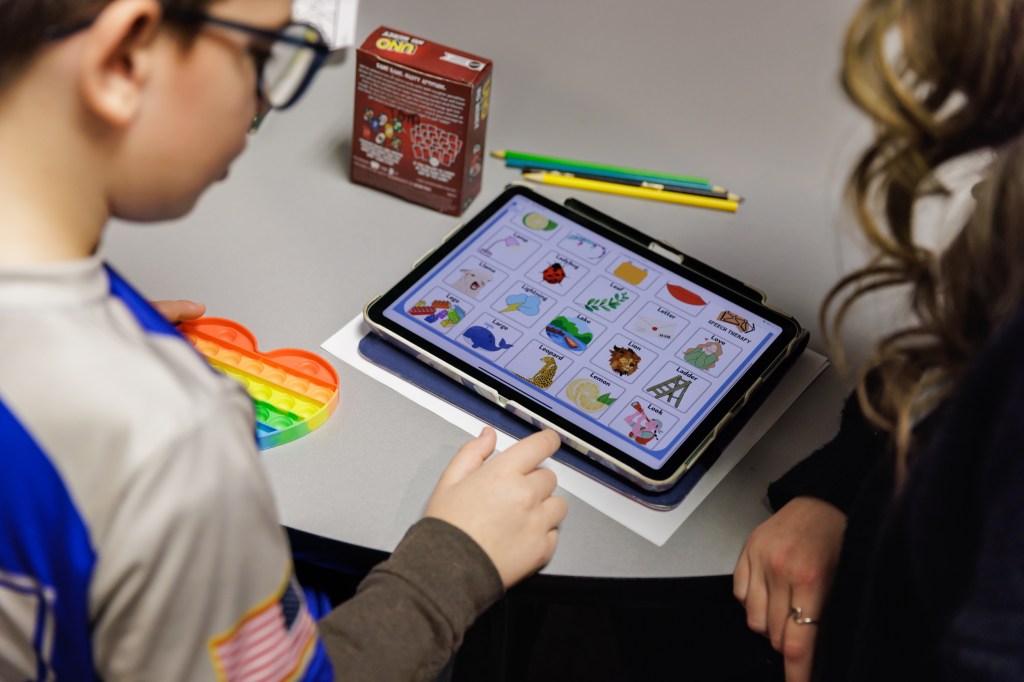
Think back on your last lesson. Ask yourself honestly how many students actually had to respond, versus how many just watched someone else answer? Pick whichever OTR category you use least (verbal, nonverbal, written, or action-based) and build one into your next lesson.
The measure of a good lesson was never the hands you saw. It’s the thinking you couldn’t.

About the author: Faith Ware leads SESI’s Teaching & Learning team, driving instructional leadership, special education programming, and large-scale program development. She specializes in compliance, instructional development, and leadership training that helps schools support diverse learners.
Related Resources
-


5 Strategies for Supporting Children with Behavioral Challenges During Summer Break
Summer break is a time associated with being carefree, enjoying the sun and some down time, and limited structure. Families of…May 1, 2023 -

Empowering Students to Tackle Test Anxiety
Test anxiety is normal, but it doesn’t have to hold you back. Learn proven strategies for managing stress, boosting focus, and achieving your academic goals.March 27, 2024 -

5 Tips for Fostering a Positive Learning Environment for Students with Autism
Creating a positive environment for students with autism is essential for their academic and social development. Learn more about the effective strategies that encourages positive social interactions between students and educators.April 4, 2024