

Megan Bizelli Brings Compassion to the Classroom
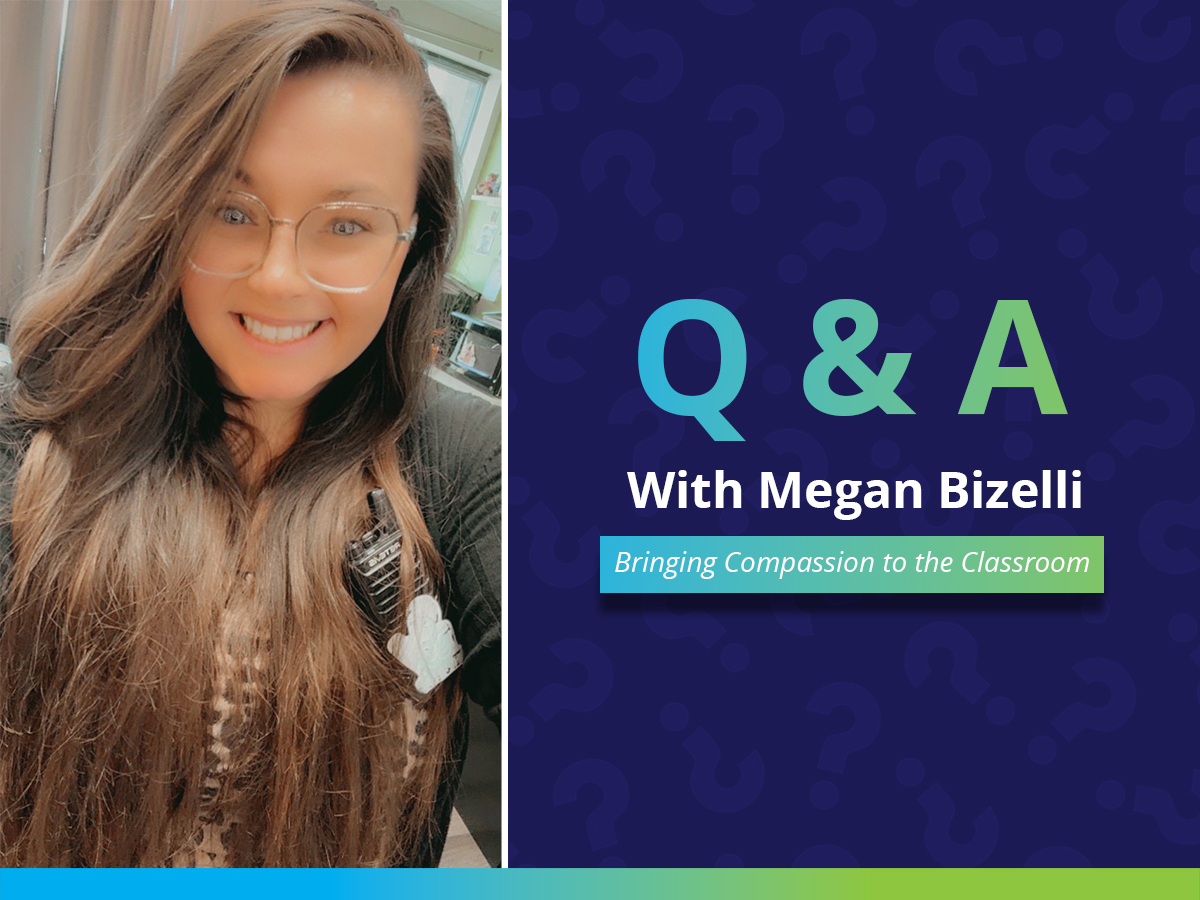
Special Education Lead Teacher Megan Bizelli knows that a structured classroom is a compassionate one. Since joining the High Road School of Wright City in 2023, she has used her background in early childhood education to build structured, relationship-centered classrooms that address both academic and behavioral needs. She recently sat down with colleague Casey Hutchinson to discuss how she balances academic and behavioral needs in the BLOOM and SPARK programs.
Q: Since joining the school in 2023, how have you impacted the BLOOM and SPARK programs?
Bizelli: I work with students across several age groups, so I adjust instruction based on developmental needs. My early childhood experience shapes how I approach structure and relationships. I focus on predictable routines and differentiated instruction so students feel safe and ready to learn.
Q: How do you balance academic instruction with behavioral interventions throughout the day?
Bizelli: In the SPARK 1 classroom, I maintain consistency. When routines stay predictable, students require fewer behavioral interventions. I actively supervise by circulating throughout the room and addressing concerns early. If a student calls out instead of raising a hand, I model the correct behavior and redirect quietly. Once the student responds appropriately, I provide specific praise. Clear expectations and consistent routines reduce behavioral challenges over time.
Q: What strategies do you use to de-escalate challenging behaviors while maintaining instructional momentum?
Bizelli: Each morning, students set personal CASE goals, and we choose a class goal. I greet each student and check in to gauge their emotional state. If a student becomes frustrated, I remain calm, provide appropriate space, and speak in a steady tone. I may offer a fidget tool, suggest a short break, or ask questions to understand the difficulty. After the student regains control, I provide quiet, individualized praise. Students also work toward small incentives during rotations. By setting goals in advance, we often prevent escalation.
Q: How do you differentiate grade-level curriculum to meet a range of IEP goals and ability levels in upper elementary?
Bizelli: At the beginning of the year, I use formal assessments and i-Ready data to determine instructional levels. In a fourth- through sixth-grade classroom, levels vary widely. I group students by skill level during math and English language arts rotations. In teacher-led groups, I introduce new concepts that move students toward grade-level expectations. In assistant-led groups, students review previously taught skills. During independent work, students practice mastered skills to build confidence. I align all instruction with each student’s IEP goals.
Q: What role does data collection and progress monitoring play in your classroom?
Bizelli: Data guides my decisions. I track IEP goals, behavioral trends, assessments, and quiz results. This helps me identify patterns and adjust interventions. I collaborate with my team to ensure instruction remains challenging but attainable so students can grow without becoming discouraged.
Q: How do you collaborate with families, therapists, and support staff to create consistency between school and home?
Bizelli: Collaboration drives student success. Each student has a team that may include guardians, behavioral specialists, occupational therapists, speech therapists, and counselors. I maintain open communication through phone calls and email. When we recommend additional services, we explain our reasoning and invite input. We also coordinate with service providers to align classroom strategies with therapy goals. Consistent communication creates a unified support system.
Megan Bizelli’s approach reflects the complexity of special education. She combines structure, data, and collaboration with compassion and consistency. Her work highlights the intentional effort required to help students with diverse needs grow academically and emotionally at High Road School of Wright City.
We wish her and her students continued success!

Related Resources
-

Staff Spotlight: Kaylin Allee, August 2026 Staff of the Month
High Road School of Wright City recognizes Kaylin Allee as August Staff of the Month for her leadership, compassion and commitment to students and staff.September 15, 2026 -
High Road School of Wright City Welcomes Families at Open House
High Road School of Wright City welcomed students and families for an open house featuring breakfast, classroom tours, staff introductions and back-to-school activities.September 1, 2026 -
High Road School of Wright City Welcomes New School Staff
High Road School of Wright City is starting the 2026-27 school year with two new professionals joining its team to…August 19, 2026