

Successful Student Transition at Sierra School at Wylie
Early Challenges and the Need for Support
William was referred to Sierra School at Wylie due to increasingly disruptive behaviors at his district school, including irritability, reactivity, defiance, difficulty regulating his emotions, and challenges interacting with peers.
“William is kind, loving, caring, smart and really good in academics,” said Rebecca Samuel, lead teacher, Sierra Schools of Wylie. “Once he was able to build a strong relationship with us, his confidence grew and he excelled.”
Identifying the Right Supports
To help William develop the skills needed to manage his emotions, the team enrolled him at Sierra School for an 18-week placement. During that time, staff collected observations and data that indicated a formal evaluation was needed. The evaluation helped the team identify the supports best suited to set William up for long-term success.
In collaboration with staff from his home campus, the team completed a comprehensive assessment. The evaluation identified instructional and behavioral strategies to help him succeed in a general education setting. The recommended support included a consistent schedule and a structured reinforcement system. He was also given scheduled breaks and work presented in smaller, manageable chunks.
Learning Through the CASE Model
Through the school’s CASE model (Considerate, Accountable, Safe, Engaged), William learned to make better choices and re-engage with learning.
“He learned our CASE language and started displaying CASE behavior in and out of school,” said Samuel. “His teachers and family noticed a change in his behavior rapidly and William began to understand the structure of school and how to be successful as a student.”
William reached an important milestone when he accepted a leadership role in the classroom. He helped new students adjust and introduced them to the CASE approach. His ability to mentor others reflected the personal growth he had achieved.
A Carefully Structured Transition Back to School
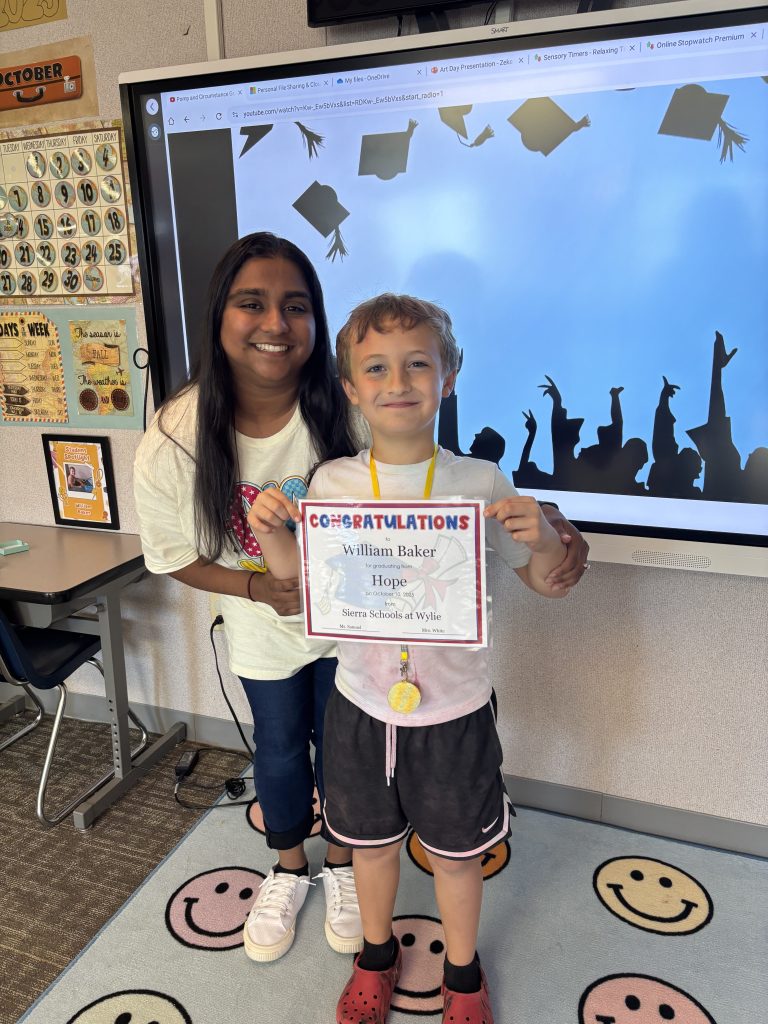
The team carefully planned William’s transition back to his district classroom over six weeks. During the first week, he spent 30 minutes each day in a second-grade class with staff support. Each week, his time in the classroom increased while staff support gradually decreased. By the final two weeks, he attended class independently for the entire school day.
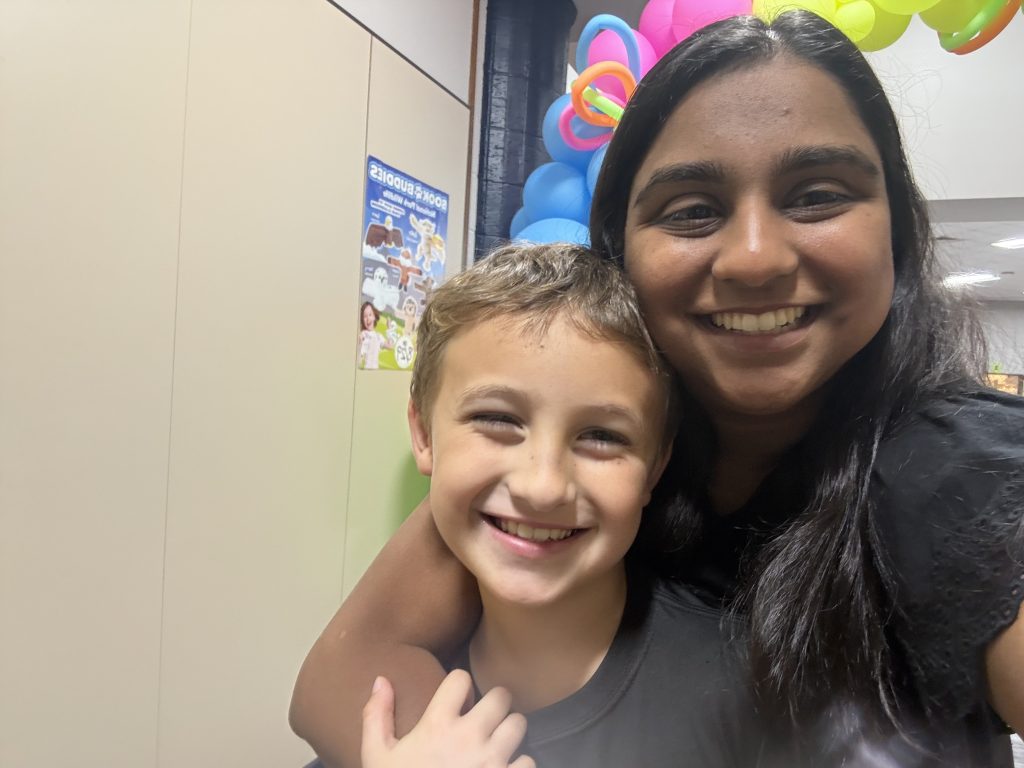
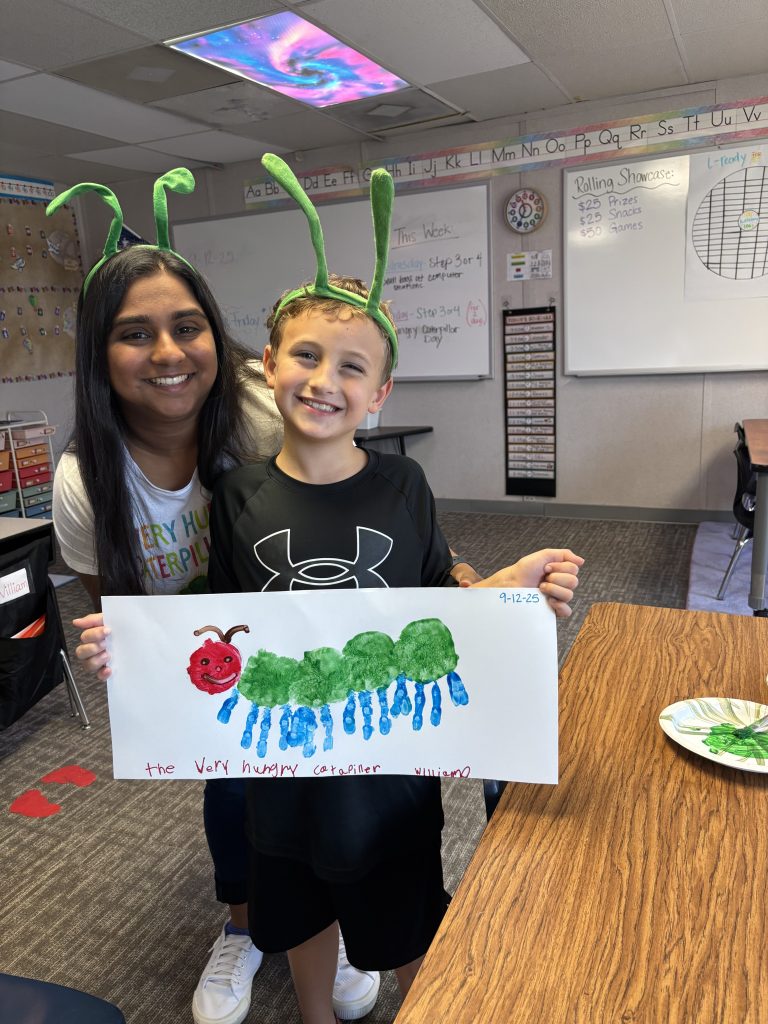
“While I was definitely sad to see him leave my class, I was so proud of him and knew he was going to achieve so much,” said Samuel. “I still keep in touch with his mom and home campus teacher and I get to hear how well William is still doing. I can’t wait to see all the wonderful things this amazing student does.”
A Successful Student Transition and Continued Growth
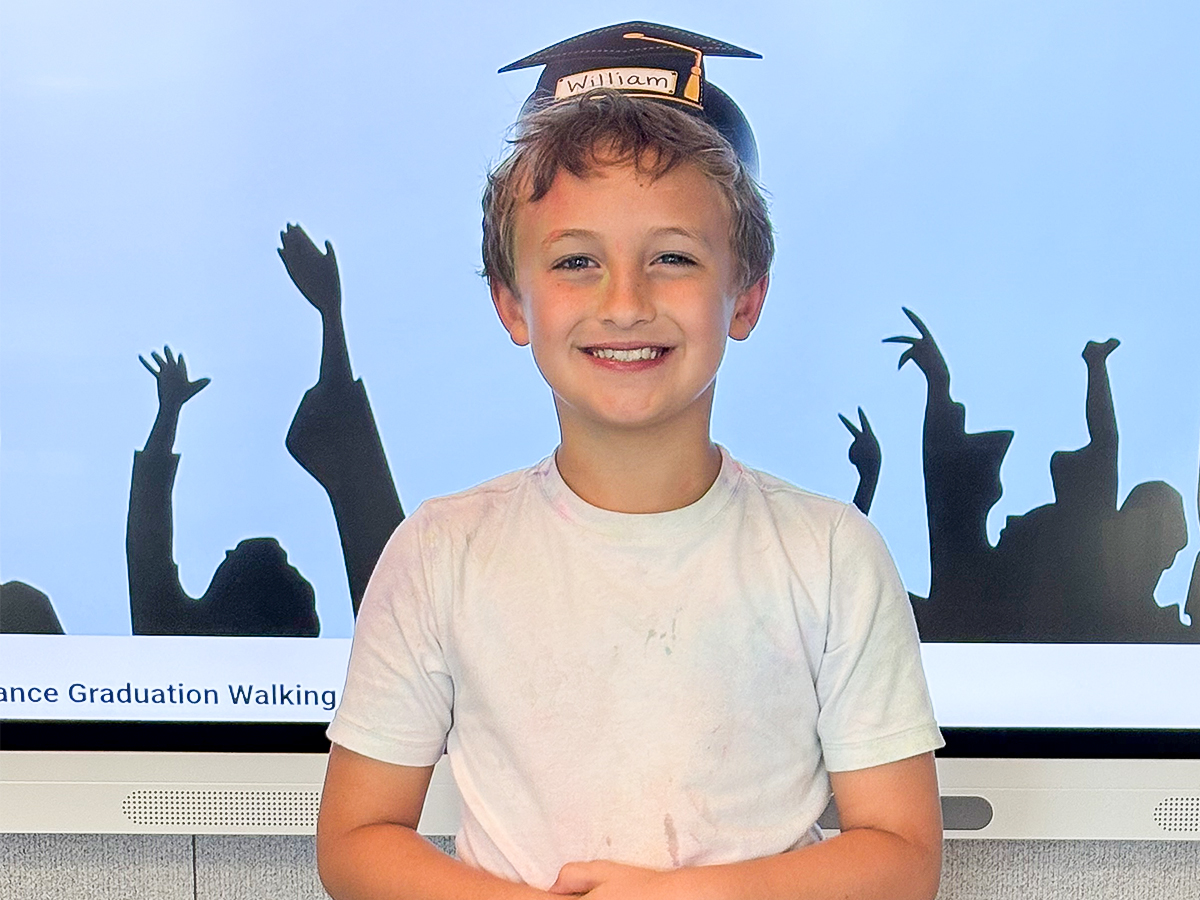
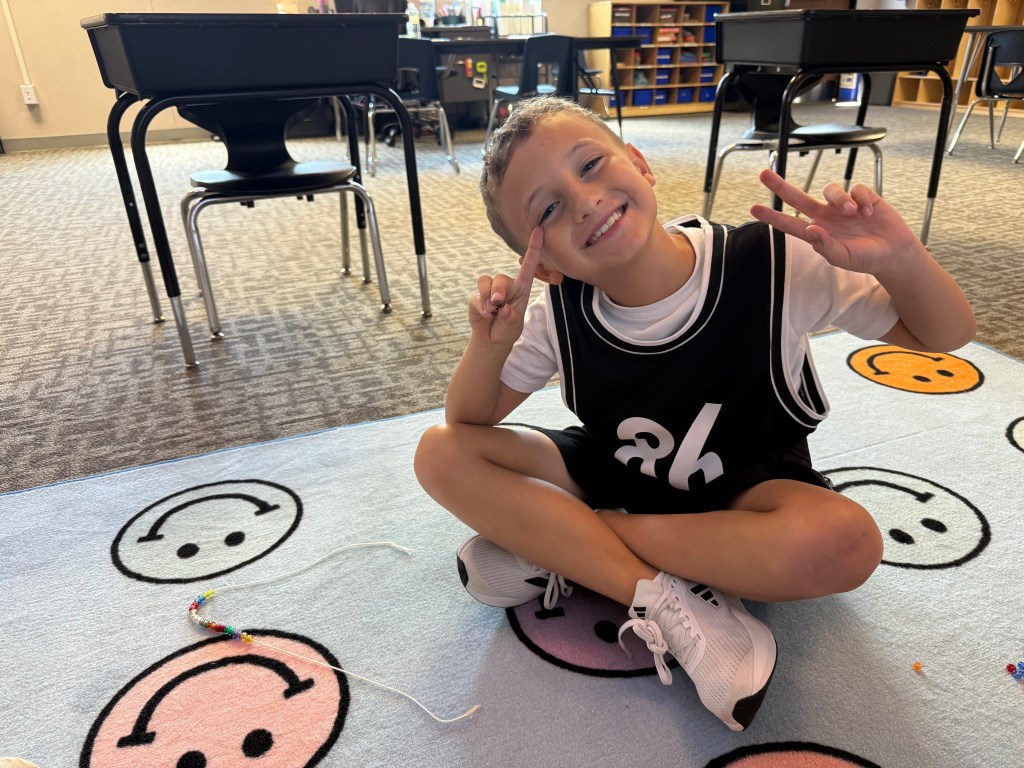
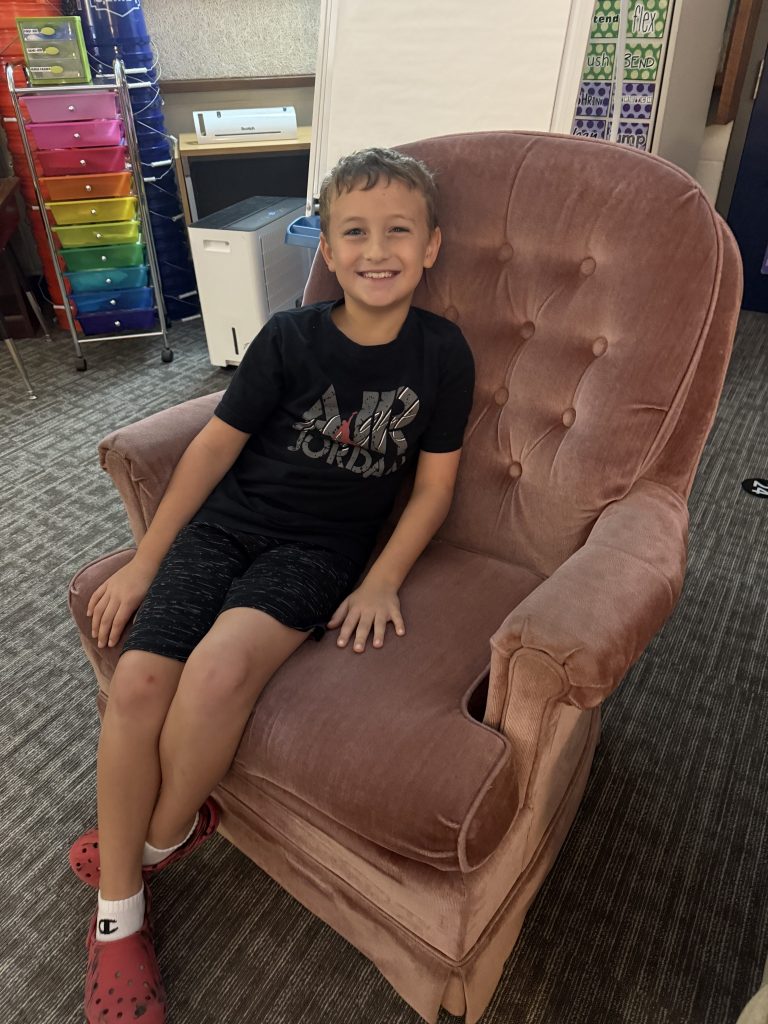
Today, William continues to thrive. His district schoolteacher and his mother both report that he is excelling academically and socially, and he has become a leader among his peers.
William’s mother, Carolyn A., credits the school for his transformation.
“I was totally lost on what my son needed to help him. The program completely changed my son. I am so thankful for all of them! He is now thriving in his new school thanks to Sierra School at Wylie.”
Related Resources
-
Amanda Makes Strong Transition Progress at Sierra School
Amanda, 15, has attended Sierra School at Wylie for the past four years. Faculty members say that she brings joy…April 2, 2026 -
Christian has Transition Success at Sierra School
Christian,15, along with Sierra School at Wylie staff, is celebrating a major milestone – his successful transition back to his…April 2, 2026