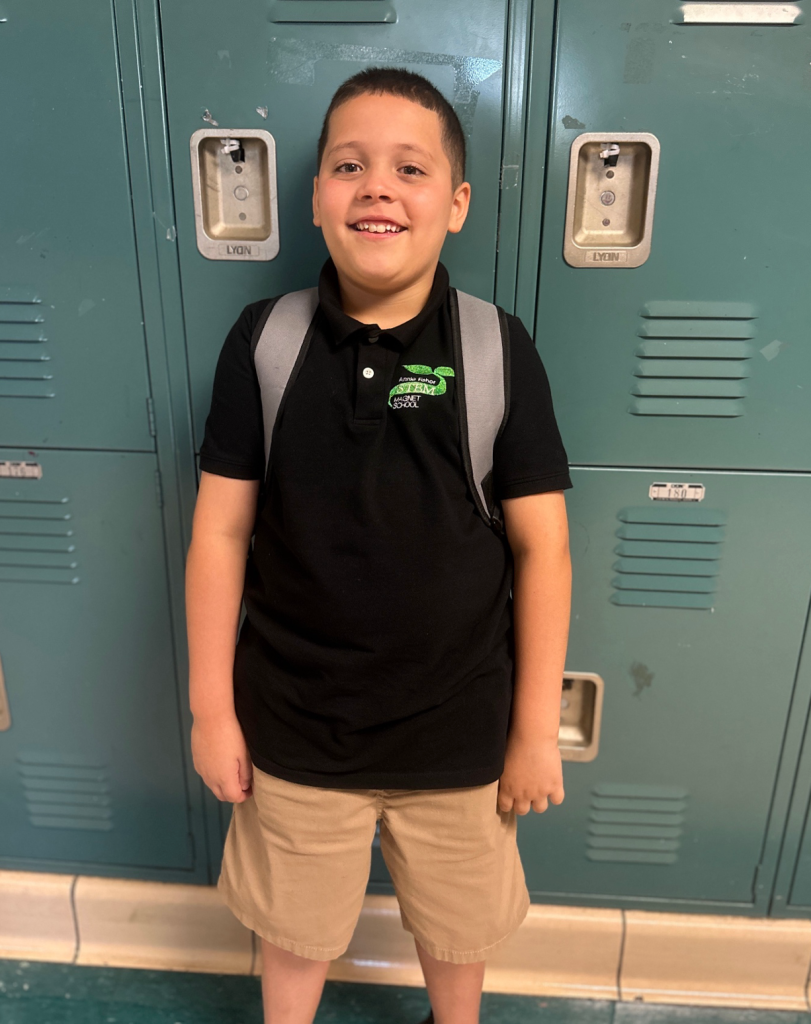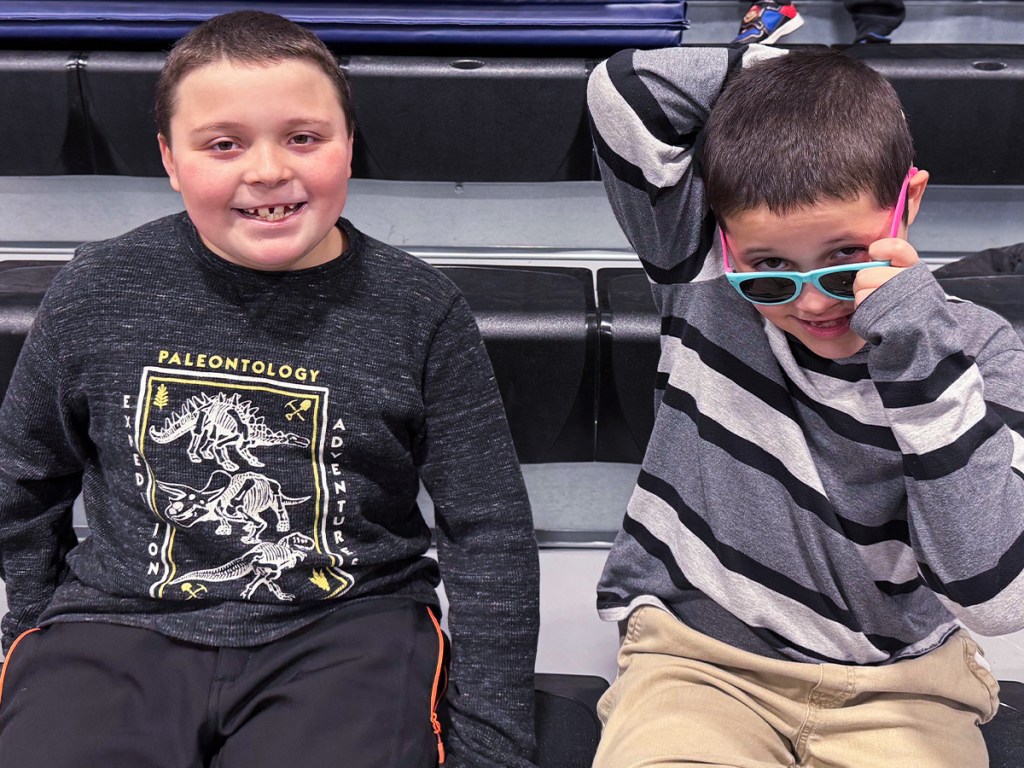

Two Brothers, Two Paths of Progress
A Family’s Search for the Right Support
When Sebastian and Aiden arrived at the High Road School of Hartford, Primary, each was in need of a learning environment that could offer more individualized support and room to grow. Their district team and family believed the school’s small classes, consistent structure, and strong therapeutic services could help the boys build the skills and confidence needed to thrive.
Early Challenges and Collaborative Planning
Danielle Bazzano, who has worked with the family for three years at Hartford Public Schools, remembers the concerns present before their placement. “There were behavior concerns, communication struggles, and no academic growth. One of the boys was nonverbal,” she said. “We thought High Road would be a good fit because of their behavioral support, but also because of how strong their related services are. Their speech pathologist, Paige Canty, is wonderful with students.”
Sebastian’s Growth and Academic Breakthroughs
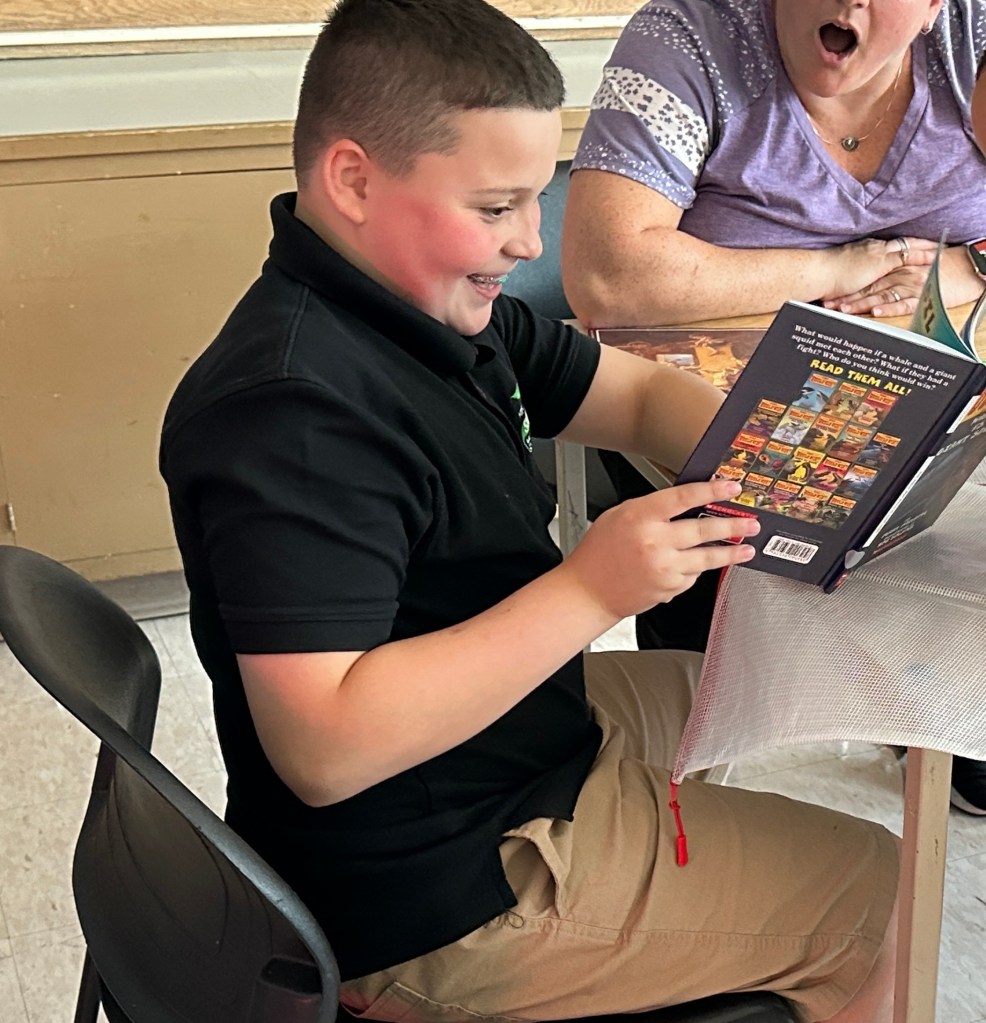
Sebastian enrolled first as a young first grader. He struggled to participate and communicate his needs, leading to frequent check-ins from his previous school. His father, Francisco, recalls the stress of that time. “We were getting a lot of calls, and it was hard for everyone,” he said. “Once he came to High Road, I saw a lot of improvement.”
The High Road team designed an individualized program that prioritized communication, academic engagement, and emotional regulation. Within his first year, Sebastian began writing letters, participating in classroom activities, and communicating verbally, setting the stage for one of the most significant steps in his education: a gradual return to a less restrictive environment.
Aiden’s Journey Toward Confidence and Communication
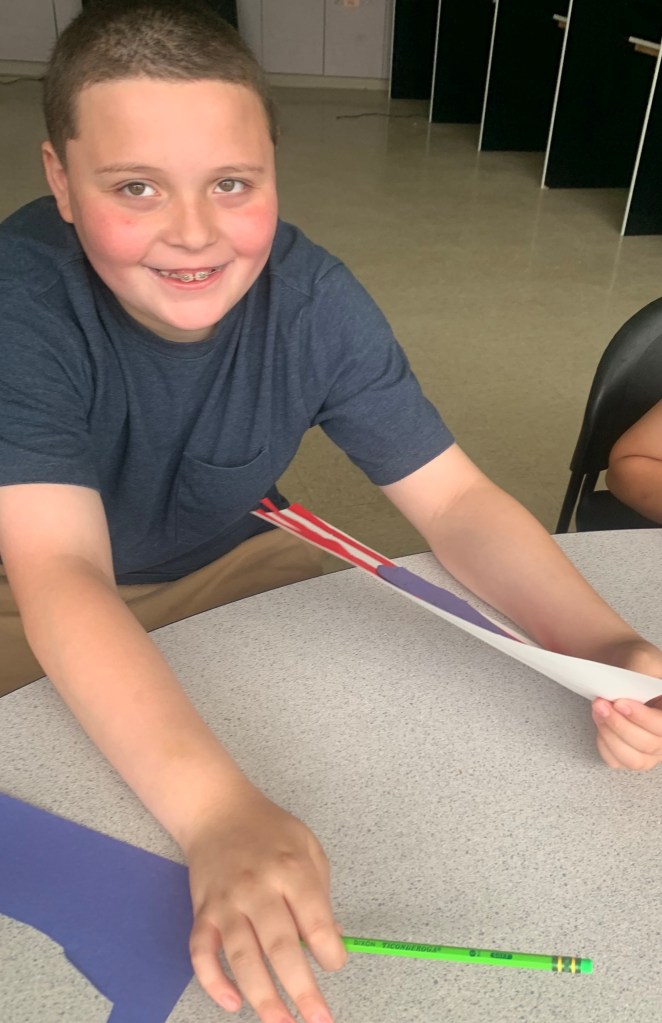
Seeing Sebastian’s growth gave the family hope that his brother Aiden might thrive as well. When he arrived as a second grader, he was shy, often silent, and hesitant to interact. “He was a reticent, quiet student who had difficulty making friends and participating in classwork,” said Canty, his speech-language pathologist. “He would only speak in barely a whisper and avoid eye contact.”
Occupational therapist Megan Mele noticed the same things. “He spoke very infrequently, and when he did, it was barely above a whisper. He was almost hypervigilant, constantly scanning his surroundings,” she said.
Therapy Services Supporting Student Progress at High Road School
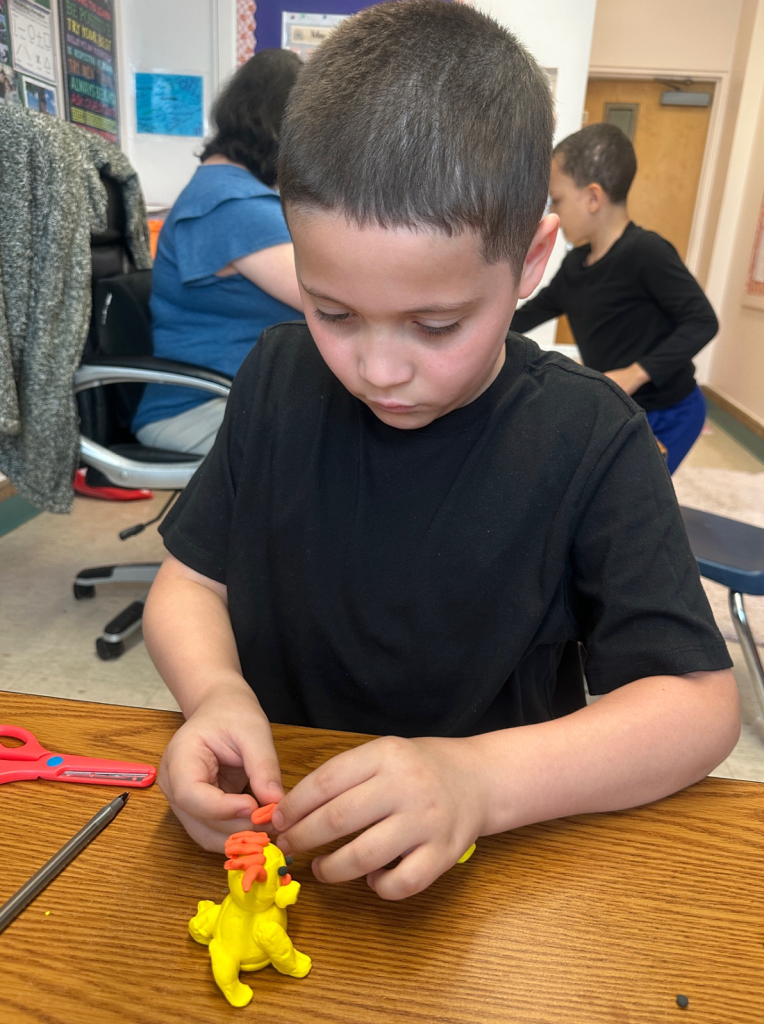
Over time, Aiden’s therapy team helped him strengthen his expressive language, fine-motor skills, and comfort level interacting with peers. In occupational therapy, Aiden progressed from working on basic letter formation to independently copying multi-sentence samples, editing his own work, and demonstrating strong motor control. “When I compare his performance now to 6-year-old Aiden, who was unable to write all letters independently, the difference is staggering,” Mele said.
Independence, Leadership, and Readiness for Transition
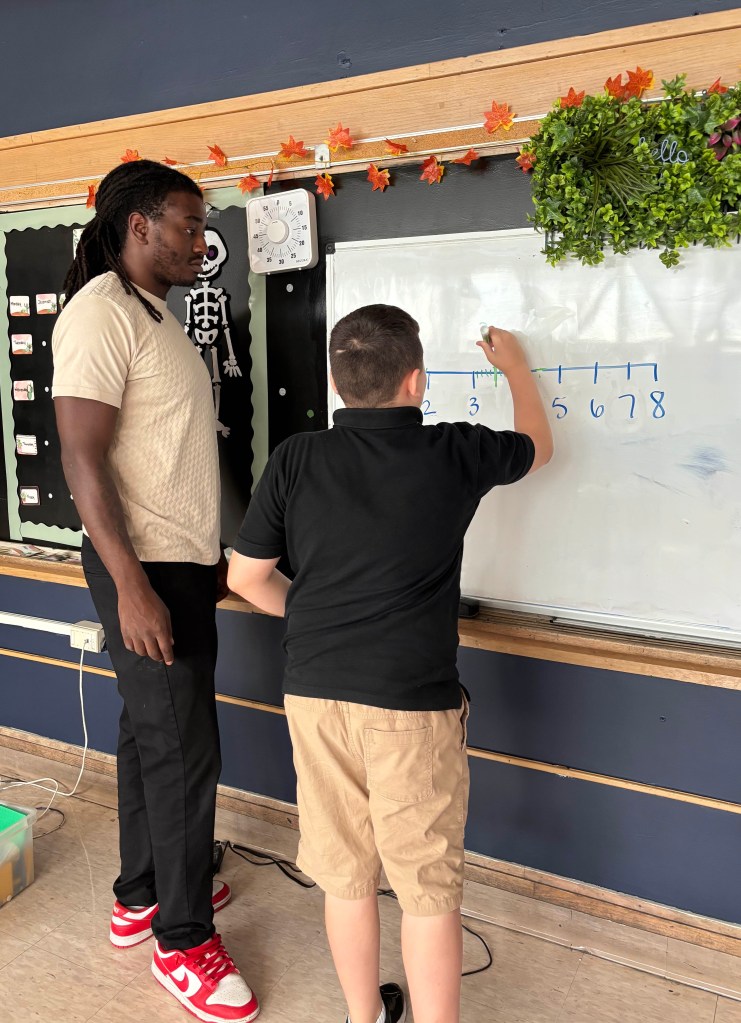
For the district, the boys’ increasing independence has been one of the clearest indicators that they are ready for a new challenge. “They were once students who needed a lot of adult support,” Bazzano said. “Now they advocate for themselves. They have become leaders in their classrooms, and their speech has come a long way.” She added that neither boy exhibits behavioral concerns. “They are model students and model peers.”
Their return to the district has been in discussion for some time, and the teams agree that moving students to the least restrictive environment is always the goal. “It is a huge milestone,” Bazzano said. “They have made so much progress socially. It is important for them to be in a setting where they can do full group learning with twenty other kids and interact with non-disabled peers.” She noted that High Road’s gradual transition model ensures they adjust smoothly. “They have shown us nothing but greatness.”
Family Pride and Emotional Milestones
Their father shares that pride. “Both boys are in the process of transitioning. It makes me feel very good,” he said. “I’m very proud of both of them. They’re proud of themselves, too. The staff did an awesome job supporting the boys.”
For Mele, she points out that Aiden’s behavior, confidence, academic progress, and social success were all markers that helped guide this decision. “It is difficult to articulate the many ways his presence will be missed in our building,” she said. “As staff, we will miss his big smile, his positivity and enthusiasm, and his kindness. Students will miss a good friend, a steady and reliable classmate, and someone whom they all looked up to. The hardest part of Aiden’s success will be letting him go – but that is because of our loss – not because he isn’t ready. There is no doubt Aiden will continue to be a joyful, valued presence everywhere he goes.”
Celebrating Growth, Confidence, and Community Support
Canty also beams with pride when talking about Aiden’s success. “I’ve worked with Aiden since his first day at High Road School,” she said. “This year, I had the absolute privilege of being a part of his transition to a general education environment and got to accompany him on his first day of school, where I saw him independently greet his teacher and new classmates. He has completely blossomed into a dedicated learner, and he is able to fully show what a wonderful, smart, and funny kid he is!”
As the boys continue their phased transition, everyone involved agrees: Aiden and Sebastian are ready, and their success reflects consistent collaboration between family, district, and High Road, thoughtful support, and belief in what they can achieve.