

Building Independence Through Everyday Skills at High Road School of Wright City
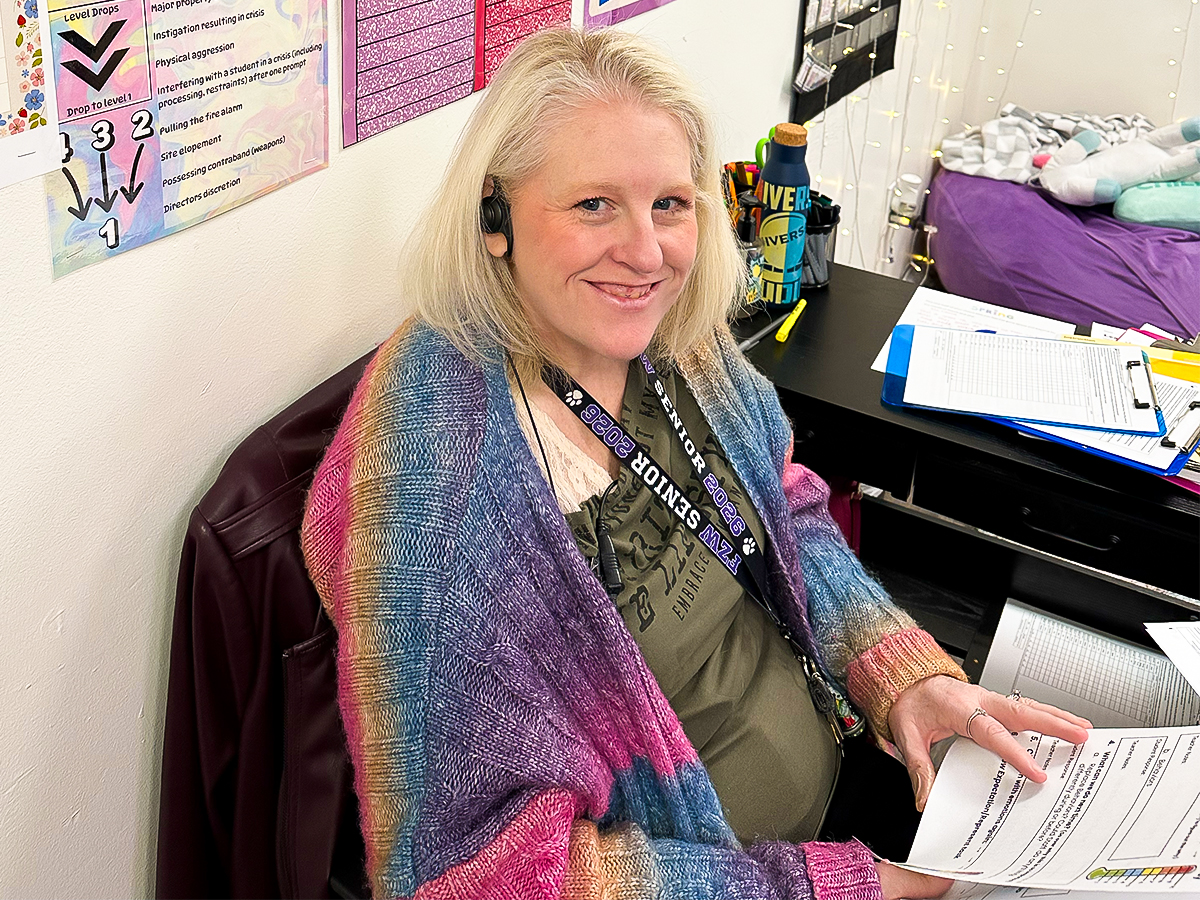
For students in the Spring pathway at High Road School of Wright City, learning goes beyond academics to include practical skills students need to navigate daily life with confidence.
Laura Langley, a U.S. Navy veteran, found her path to education while volunteering in her children’s classrooms. That experience sparked an interest in working with students and ultimately led her to High Road School of Wright City, where she joined the team in 2024.
Langley teaches Spring students, which supports students on the autism spectrum as they build independent living skills, including self-care, communication, self-advocacy, cooking, and time management.
We spoke with her about how the pathway helps students grow and prepare for life beyond the classroom.
What independent living skills do Spring students focus on each day?
Self-care and hygiene are the most fundamental elements for independent living – students work on these often. Creating habits of taking care of yourself physically can lay a foundation for confidence and the ability to accomplish other things. Other key areas of self-care include communication, cooking, self-advocacy, and time management.
How do you support students on the spectrum as they transition toward more independent learning and living?
Repetition is key to building confidence. It helps students develop “muscle memory” and the belief that they can succeed, which is vital for independence. Students will not always have someone available to hold their hand or cheer them on. They need to trust in their own abilities. When we believe in their capacity to succeed independently and give them the space to try on their own, they begin to see it too. Over time, that belief becomes their own, and that’s when real independence takes root.
Can you share a success story of a student who has grown significantly through the Spring pathway?
One student struggled significantly with motivation and confidence, and often seemed indifferent toward school and grades. She was consistently kind to her classmates but often was not kind to herself. She also exhibited frequent and intense behaviors. Over time, she’s shown tremendous growth, and in the two years she has been with us, there has been a significant decrease in those behaviors. She has developed the ability to recognize when she is becoming frustrated and, in most cases, can advocate for herself by asking for what she needs to calm down. She is now on track to graduate this year and has a clear plan for her future. I am incredibly proud of the progress she has made and the person she is becoming. I have no doubt she can accomplish anything she sets her mind to.
What strategies or approaches have you found most effective when helping students navigate real-world situations?
I focus on de-escalation and helping students use strategies such as deep breathing and grounding techniques like the “5-4-3-2-1” method. My goal is to help students learn how to regulate their emotions independently. As a high school teacher, my role is to prepare students for life beyond the classroom. The real world is not always gentle. Students need tools to respond calmly and appropriately in a range of situations, even when others may not fully understand their needs.
How can the community support students in the Spring?
Start by treating students with respect and openness – they are just kids who want to feel accepted and valued. They want friendships, they want to play games, and they want to talk about the things that interest them, just like anyone else. Simple actions can make a big difference: say hello, ask them questions, invite them to join in activities, whether it’s playing a game, watching a movie, or spending time outside. Inclusion, even in small moments, helps build connection, confidence and a sense of belonging
Related Resources
-
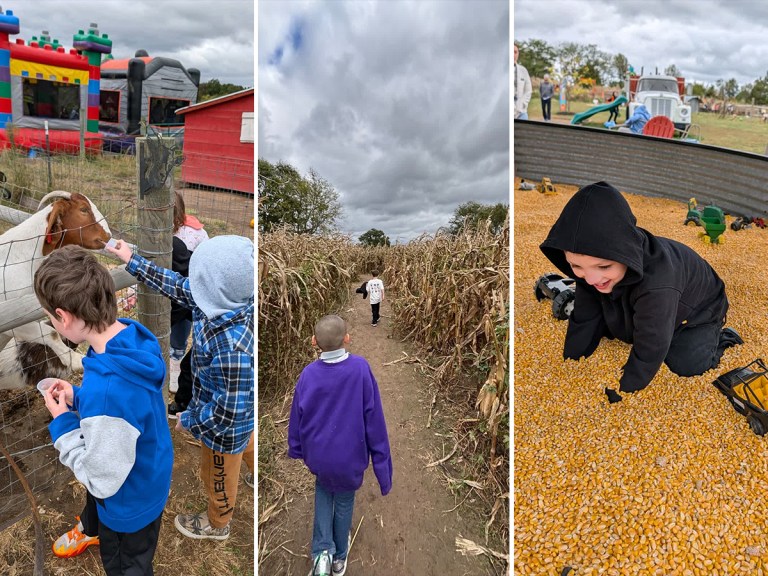

High Road School of Wright City Students Enjoy Fall Fun at the Pumpkin Patch
Students from High Road School of Wright City celebrated their positive behavior with a fun-filled trip to a local pumpkin patch. The outing included a corn maze, farm animals, games and opportunities to build skills outside the classroom.October 22, 2026 -
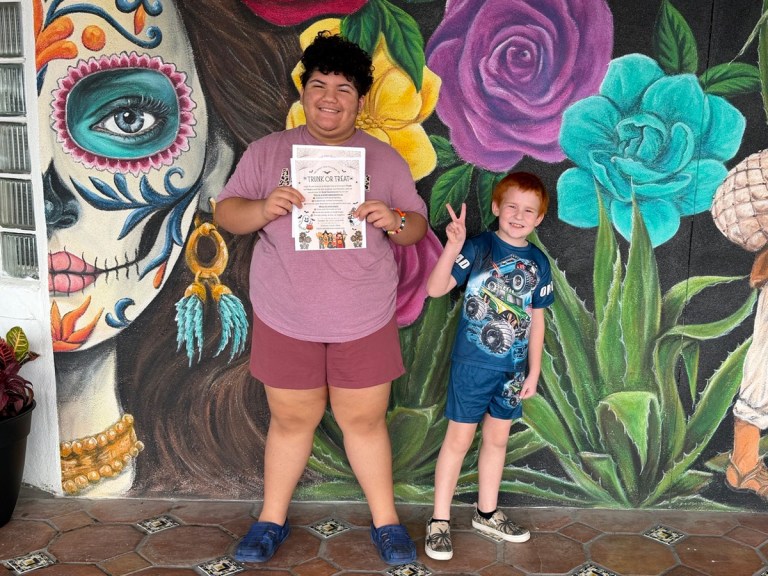

High Road Wright City Celebrates Madison and Grayson for Student Leadership
Madison and Grayson represented High Road School of Wright City in the community while building communication and student leadership skills.October 9, 2026 -
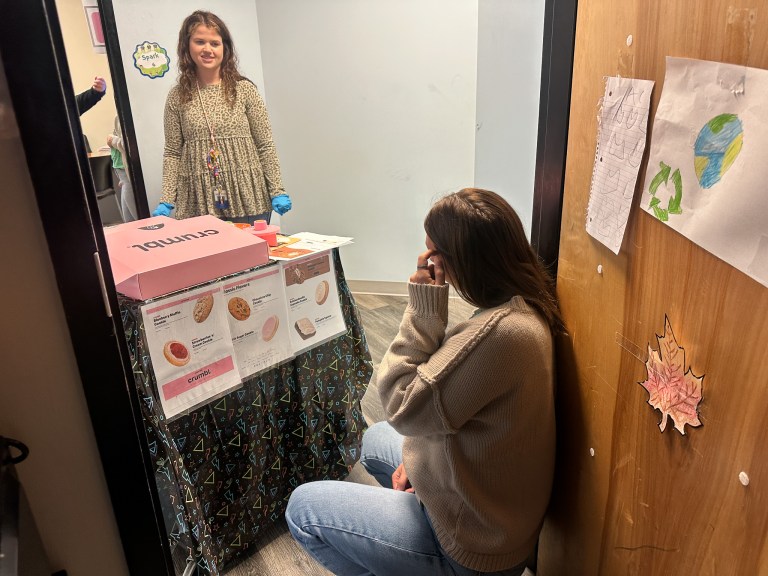
Friday Pick-Me-Up Cart Brings Smiles to Wright City Staff
High Road School of Wright City’s Pick-Me-Up Cart brings staff a rotating selection of Friday treats while creating moments of appreciation, connection and fun.October 7, 2026