

How NewHope Academy Addresses School Refusal and Chronic Absenteeism

Understanding the Barriers Behind Absenteeism
By the time some students arrive at NewHope Academy, attending school consistently has already become a significant challenge. They may have missed weeks of instruction or reached a point where walking into the building feels overwhelming.
School refusal is rarely as simple as a student deciding not to go to school. Anxiety and other mental health needs can make regular attendance difficult, particularly when a student has struggled in a traditional school environment. Nationally, chronic absenteeism remains a concern for school districts, with recent data showing that more than 26% of public school students are chronically absent.
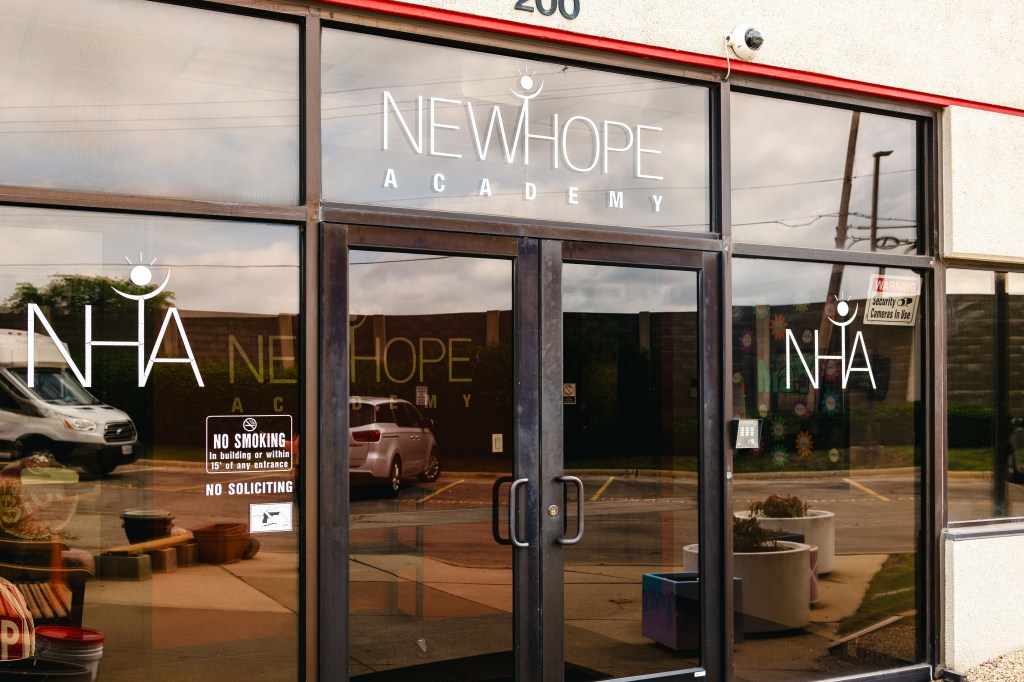
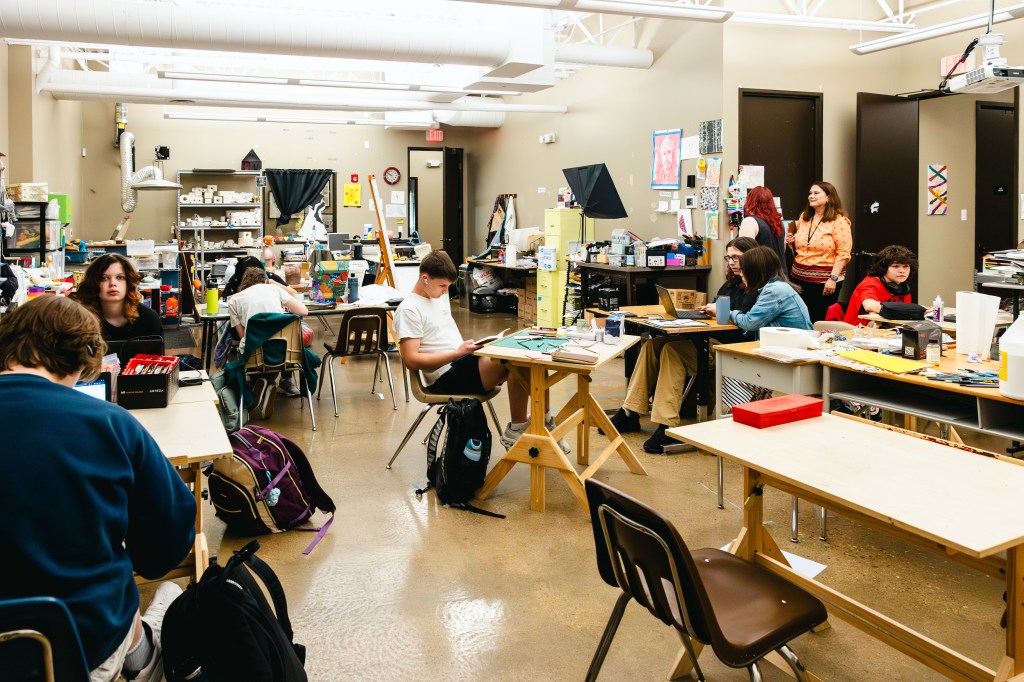
NewHope Academy, a therapeutic day school in Arlington Heights, Illinois, serves students in grades 6–12 with average to above-average intelligence who need additional support to succeed in school. For students who have struggled with attendance, the smaller setting gives staff an opportunity to understand what has been keeping them from school and work with their families on an approach that can help them return more consistently.
Creating Individualized Support Plans
“We work closely with parents and students to come up with creative ways to help students attend school and be successful here,” said Kathy Szumski, LPC, a therapist at NewHope Academy West. “That might include supportive classrooms, therapy rounds and additional check-ins with a therapist. We work collaboratively at clinical meetings and during consultations to come up with creative ideas tailored to each child.”
Szumski said staff often need to look beyond a student’s attendance record to understand what is happening. School refusal can be connected to anxiety or a lack of appropriate mental health support. For some students, significant time spent on technology at home can also make it harder to reconnect with school and peers.
Students may want to attend and do well in school but feel overwhelmed by the prospect of returning after an extended absence. Others may have become accustomed to isolating themselves or interacting primarily through screens.
Building Connection Through Student Interests
NewHope staff focus first on understanding the individual student and identifying changes that can make attending school feel more manageable. Staff also look for opportunities to connect with students through their interests and give them reasons to become more involved in the school community.
Those opportunities are built into the school day. Through “Thrills,” students spend time with peers who share their interests while taking a break from academics. After-school activities and technology-free “hangouts” offer additional opportunities to socialize in person.
Easing the Transition Back to School
When a student returns after missing a significant amount of school, staff may temporarily adjust the student’s schedule to reduce academic pressure. That can include starting with classes the student enjoys before gradually adding more.
This gradual approach gives students an opportunity to rebuild their routines, experience success and become more comfortable participating in the school day.
Helping Families Feel Less Alone
Family engagement is also built into the therapeutic model. Therapist-led parent support groups give families an opportunity to talk about what they are experiencing and hear from parents facing some of the same challenges. Discussions may include issues affecting students at home and at school, including seasonal depression.
“I have had parents almost in tears saying how helpful it is to hear that another parent is experiencing similar problems,” Szumski said. “Their friends or family members often don’t understand what they are going through and try to give them strategies that simply do not apply to their child.”
Recognizing Early Signs of Attendance Challenges
Staff also watch for changes that could signal a student is beginning to struggle with attendance, including increased isolation, sleeping more than usual or skipping classes. Addressing those concerns early gives the team an opportunity to work with the student and family on a plan before absences become more frequent.




Related Resources
-
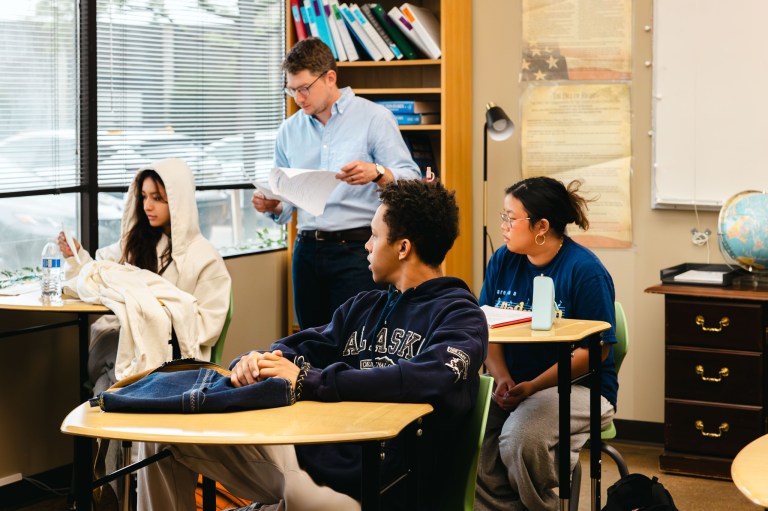

Small Strategies Help NewHope Academy Students Manage the School Day
NewHope Academy helps students manage the school day through individualized executive function support, organization strategies and classroom routines.October 16, 2026 -

Garden-to-Table Learning at NewHope Academy
Students at NewHope Academy brought their garden work into the kitchen, using freshly harvested zucchini to make Apple Cinnamon Zucchini Muffins during Cooking Thrills.September 25, 2026 -
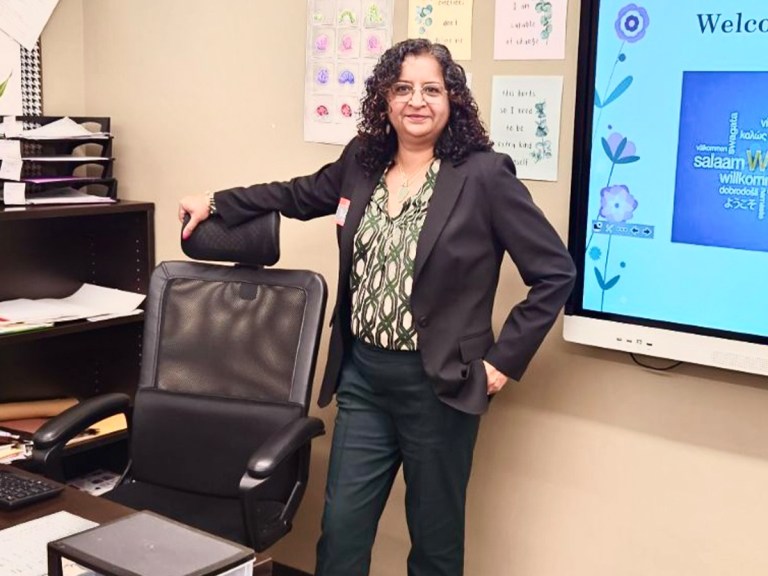

Sindhu Anantha Completes Relay Teacher Credentialing Program
NewHope Academy high school math teacher Sindhu Anantha shares how the Relay Teacher Credentialing Program helped her strengthen her skills, earn her LBS1 credential and grow as an educator.September 25, 2026