
High Road South Suburbs Expands Early Childhood Special Education Support
High Road School of the South Suburbs recently opened an early childhood classroom to address a growing need for specialized placements in the region. The classroom supports young students who need additional behavioral, communication, or sensory services. It is the first High Road early childhood special education program currently operating in Illinois.
For small school districts, finding appropriate placements for pre-K students can be challenging, especially when students need intensive support close to home.
“When I started to look for alternative placements, private therapeutic placements for an early childhood student, there were none within a 30-minute drive that serviced early childhood students,” said Meghan Domanszky, director of student services at Reed-Custer CUSD 255. “I searched a radius up to an hour away and was still coming up empty. I was on the phone making a lot of calls, sending emails, and coming up shorthanded.”
Responding to a Need for Early Childhood Special Education
High Road began exploring an early childhood classroom after hearing from local districts about the need for additional options. A survey of area special education leaders confirmed interest from several districts and cooperatives. Respondents included Grundy County, Herscher School District, Bourbonnais School District, Reed-Custer CUSD 255, and Livingston County.
“I filled it out immediately,” Domanszky said. “I was so grateful they were able to open up the classroom and it is located right within our district boundaries. I feel so lucky and blessed that our student has this opportunity.”
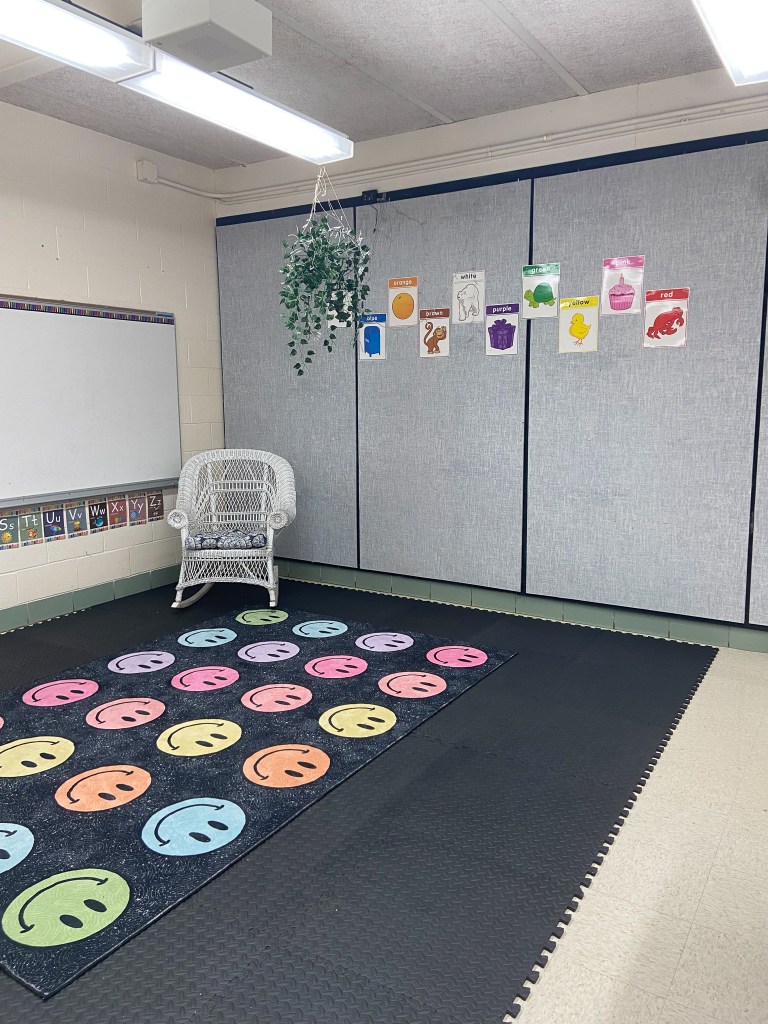
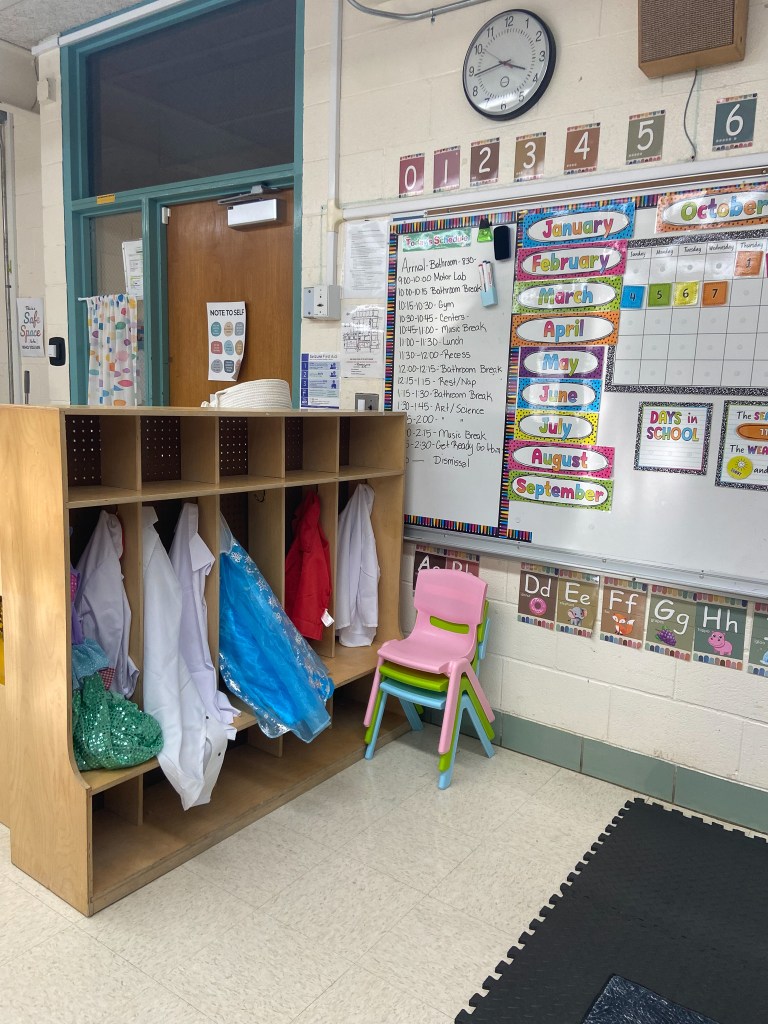
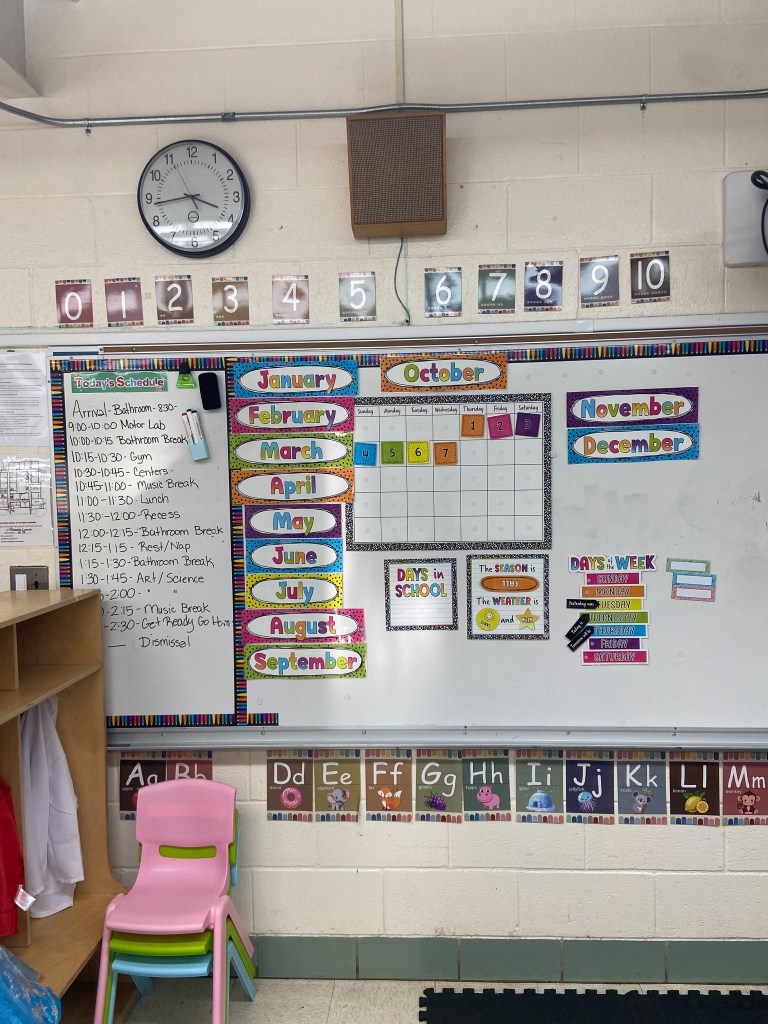
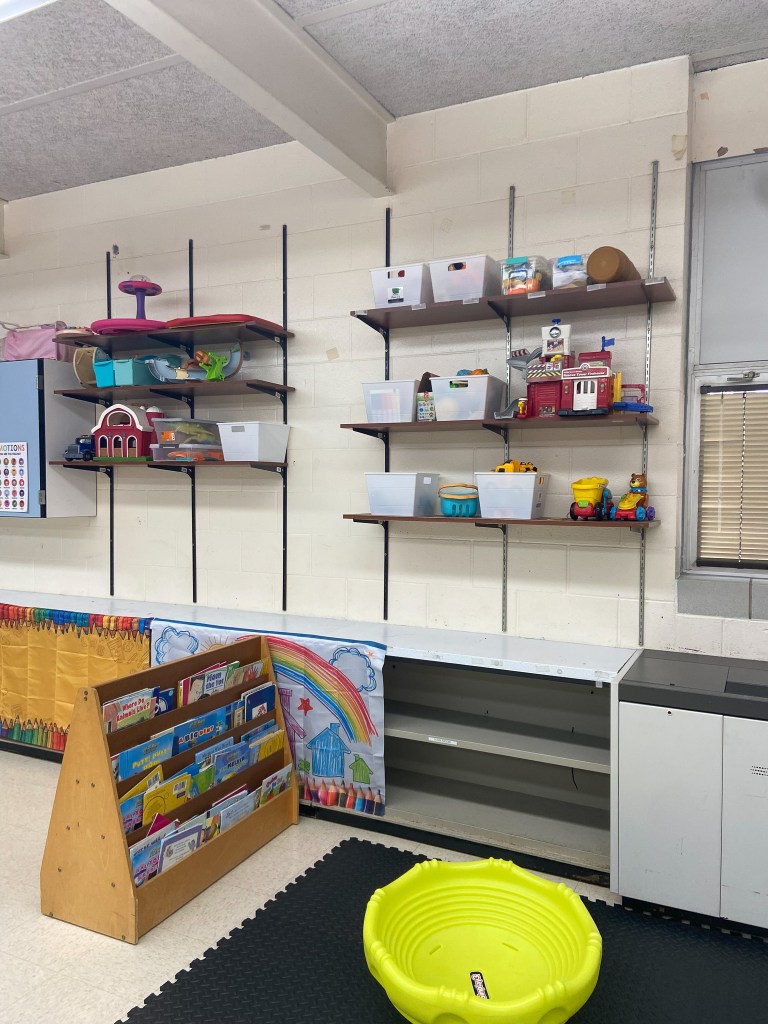
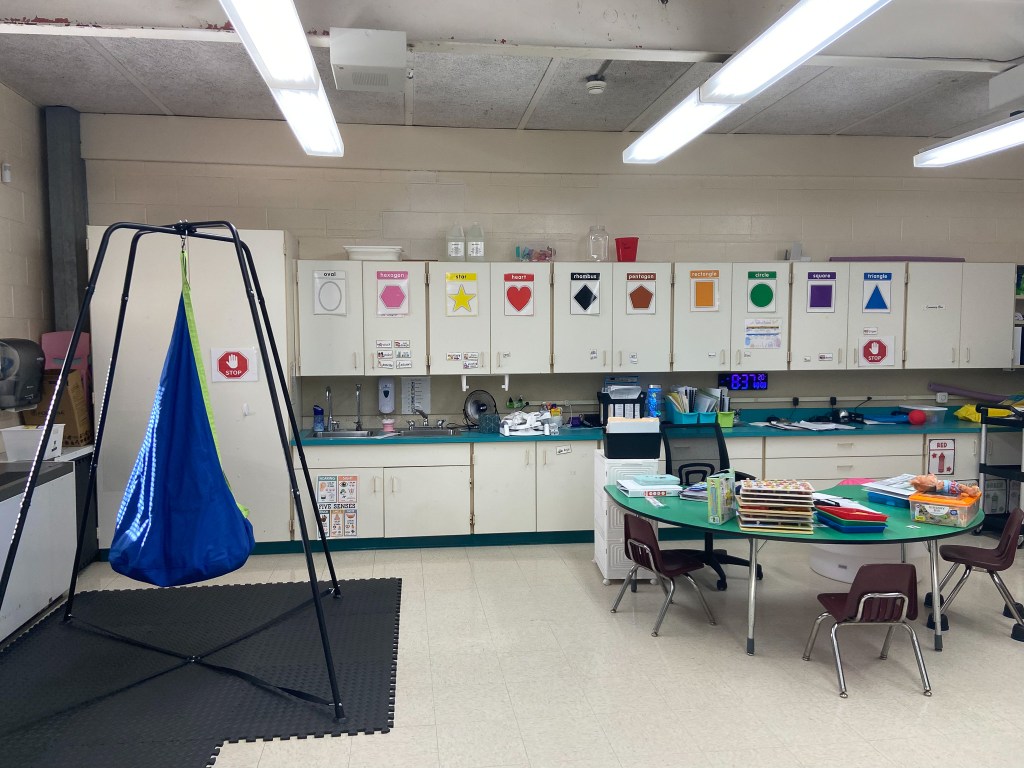
The classroom serves children ages 3 to 5 and can accommodate up to 10 students. Its design combines traditional early learning spaces with sensory and therapeutic supports that help students participate in classroom routines and instruction.
Creating a Classroom Around Individual Needs
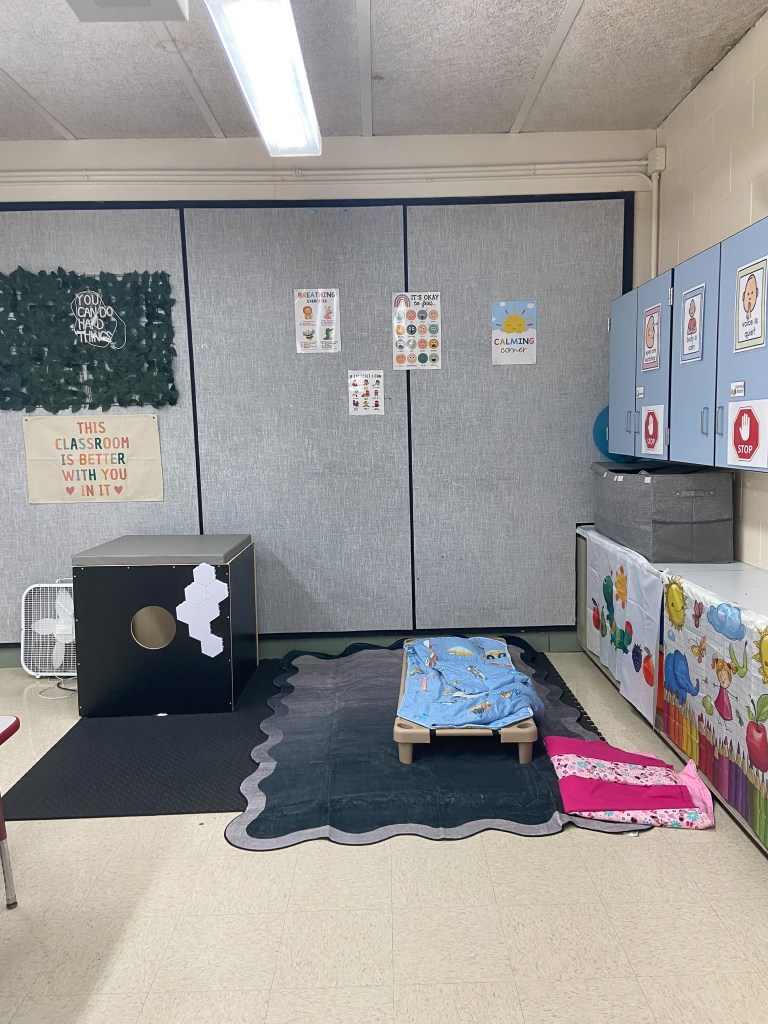
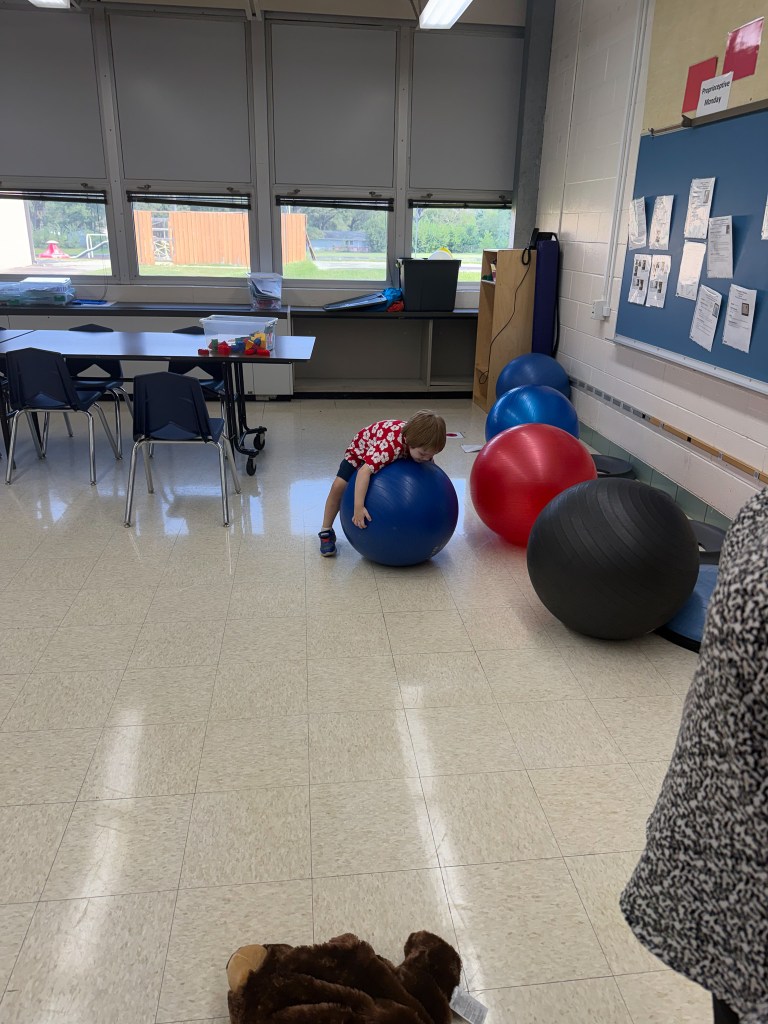
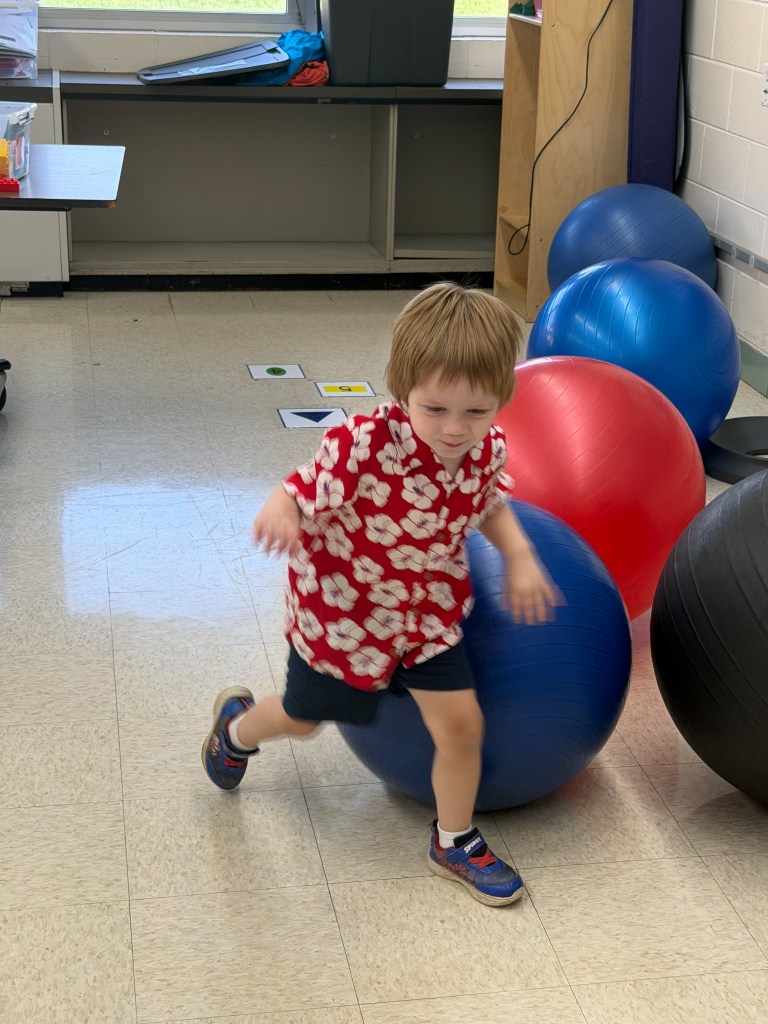
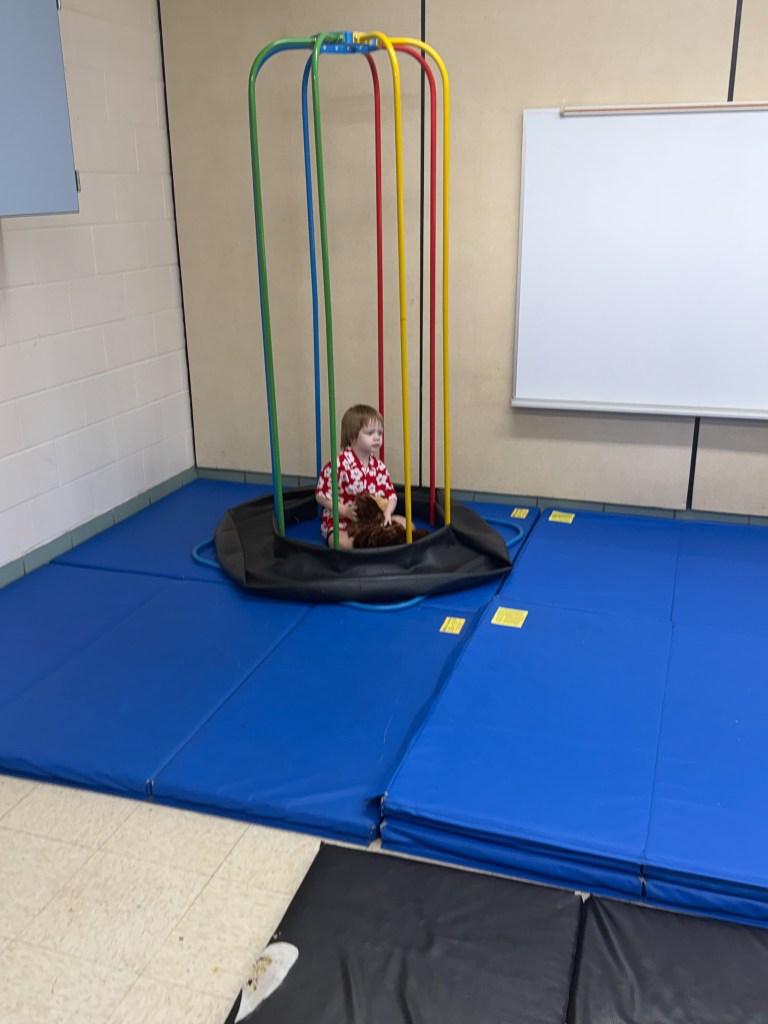
A therapeutic swing, weighted supports, flexible seating, a cozy corner, and padded safety mats give students options for sensory and emotional regulation. The classroom also includes spaces for circle time and small-group instruction, along with a Smart Board and areas for meals and afternoon naps.
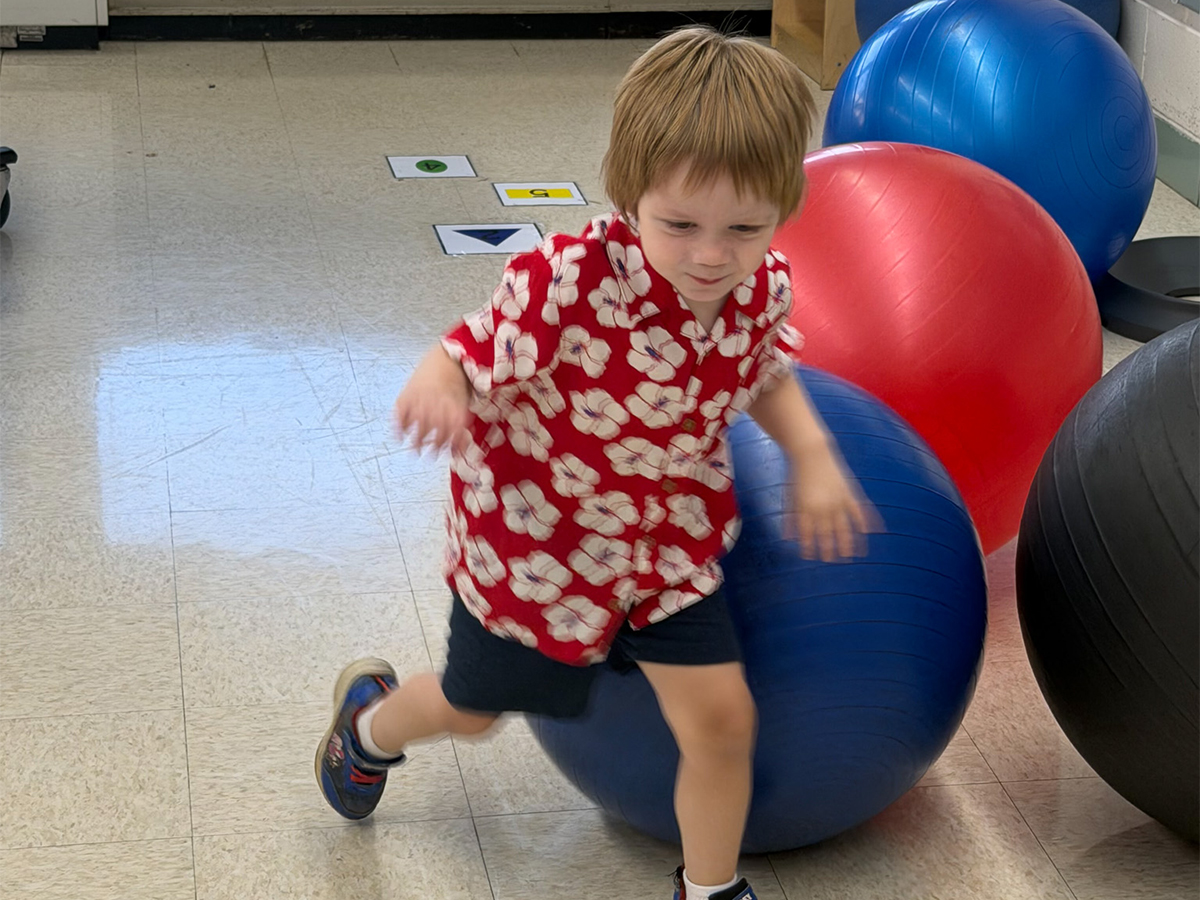
Therapists work alongside educators to incorporate sensory activities into the school day. Activities such as working with shaving cream or slime can help students become more comfortable with new textures. They also give students opportunities to regulate their responses and practice routines such as cleaning up.
The goal is to create an environment where students can receive the support they need while continuing to build independence throughout the day.
Helping Students Build Consistency and Confidence
For 4-year-old Cole, the new classroom provided an option close to his home district. Cole came to High Road from Reed-Custer CUSD 255 after his previous placement was not meeting his needs. His team wanted a setting with greater sensory support and a smaller student-to-staff ratio.
Although the team initially considered a half-day schedule to help Cole adjust, his mother and educators decided a full school day would provide greater consistency. The schedule gives him more time to work on communication, regulation and daily living skills while becoming comfortable with the classroom routine.
He quickly settled into his new environment.
“Cole’s first week here went really well,” Owsley said. “He has his routine down for full day already. He was even rushing his teacher to get his lullaby on the Smart Board so he could take his nap today.”
For Domanszky, seeing Cole transition so smoothly reinforced the team’s placement decision.
“It is night and day from what he was experiencing before,” Domanszky said. “Early intervention is key to opening the door to promoting independence into adulthood. Most of our brain development happens before age 3, and by age 6, it is pretty solid. For my student to get these specialized services before he turns 6 years old is crucial.”
Building Partnerships With Families and Districts
High Road also focused on finding an educator with experience suited to the needs of younger students. The classroom’s lead educator holds credentials in both early childhood and special education, along with a degree in psychology and experience with behavior-support practices.
Collaboration with families and referring districts is another important part of the program. Parents can tour the school before placement, while intake meetings allow High Road staff to learn directly from a student’s previous educational team. Those conversations help staff understand which strategies have worked and put effective supports in place as quickly as possible.
“The partnership is huge to us,” Owsley said. “Getting the opportunity to talk to the previous team and hear what worked and what didn’t help us put the right supports in place immediately.”
“I’ve had nothing but great experiences with High Road School,” Domanszky said. “The communication is great. I really appreciate having a place for my students to go to when they need it.”
High Road School of the South Suburbs is intentionally pacing enrollment so each child receives individualized care and attention while adjusting to the new environment. With referrals coming from neighboring districts, the program provides another local option for families and schools seeking specialized early childhood support.