

Bloom Classroom Expands Programming at High Road School of Delaware
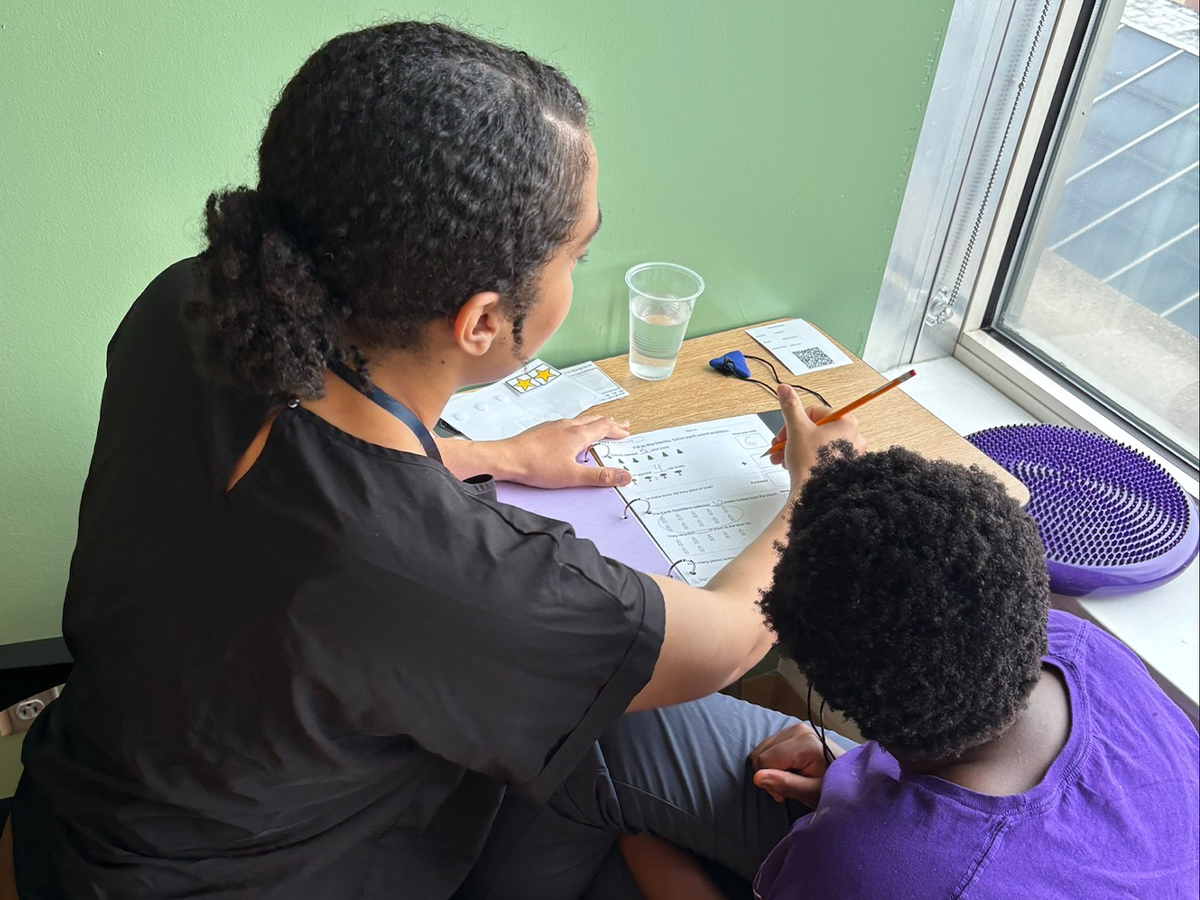
High Road School of Delaware has expanded its programming this school year with the addition of a Bloom classroom, a specialized model for students in middle school up to 22 years old with significant autism, cognitive disabilities, and related developmental needs.
The classroom currently serves six students. Each student has dedicated 1:1 staff support, and the classroom team includes special education teacher Melissa Fuentes and a licensed Board Certified Behavior Analyst (BCBA). Bloom differs from the school’s other classrooms in both its structure and focus, combining academics with intensive work on communication, behavior, daily living skills, and independence throughout the day.
Individualized Support in the Bloom Classroom
Students in the Bloom classroom may have limited or no verbal communication and benefit from a highly structured environment with consistent routines, sensory supports, and individualized strategies. For Fuentes, that means getting to know not only what each student needs academically, but how they communicate, what may overwhelm them, and what helps them engage successfully.
“We work closely with each student to figure out how we can support them best,” Fuentes said. “We want to take what they learn here and help them apply it at home and in the community.”
Building Academic and Daily Living Skills
Students rotate through 20-minute instructional blocks during the day, working individually and in small groups based on their abilities and needs. Academics are part of the schedule, but so are skills they can use well beyond the classroom.
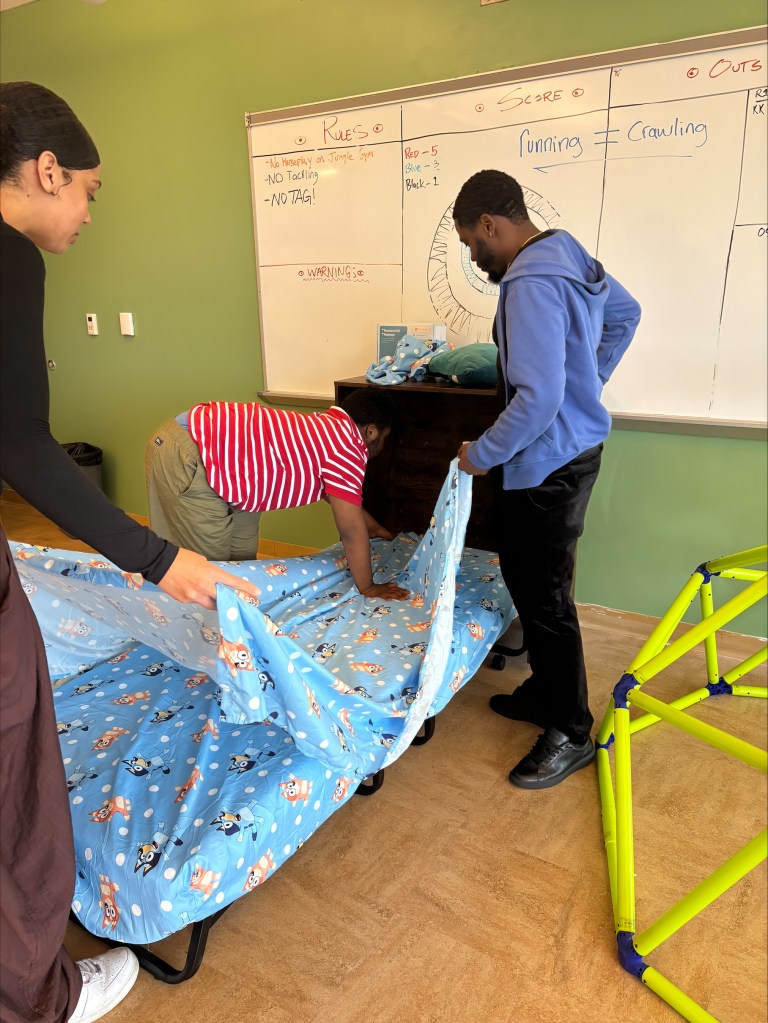
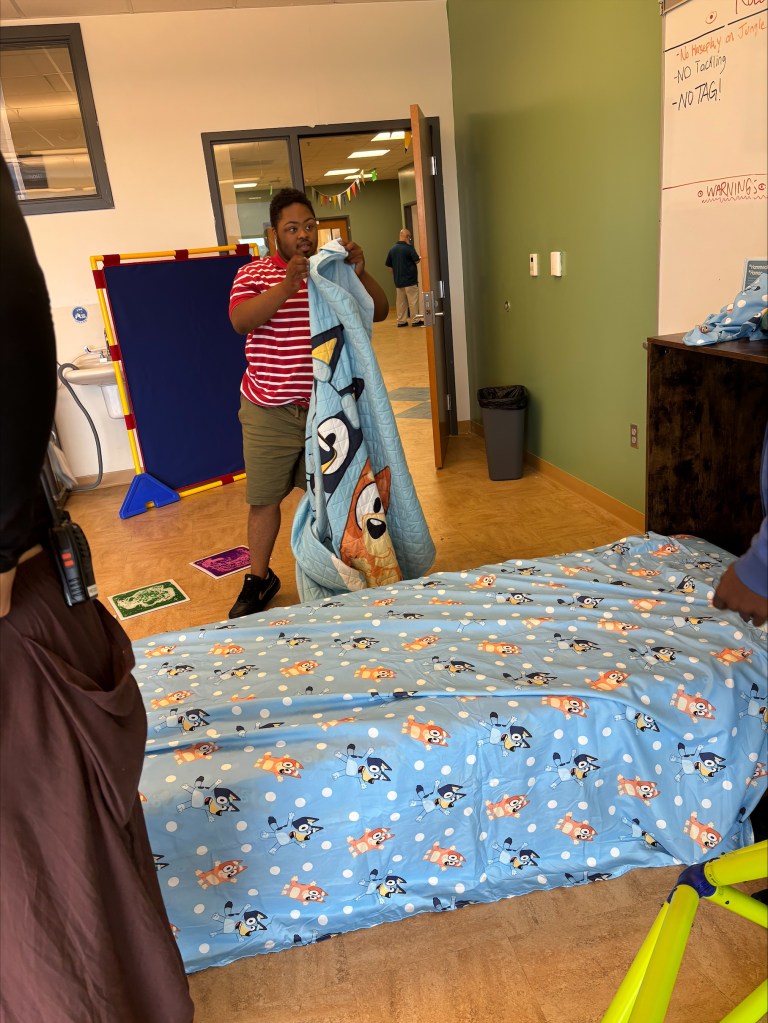
Students practice following recipes, cooking, and personal hygiene tasks like washing hands. A mock apartment gives them a place to learn household duties such as making a bed, doing laundry, and folding clothes.
Supporting Communication With AAC Devices
Communication is another major focus. Some Bloom students are nonverbal and use augmentative and alternative communication (AAC) devices. Staff model the use of the devices during lessons and encourage students to use them to communicate with adults and peers, helping students build a reliable way to express themselves.
Practicing Skills in Different Settings
The program incorporates Applied Behavior Analysis-based strategies, including Discrete Trial Training and Natural Environment Teaching. Students also participate in motor activities and community-based instruction, giving them opportunities to practice skills in different settings.
A trip to the aquarium, for example, can help staff see how students navigate situations such as crossing a street safely, managing their voice level, or maintaining appropriate space around others.
Using Structure, Sensory Supports and Reinforcement
The work looks different for every student and sometimes from one day to the next. Fuentes and her team pay close attention to what may affect a student’s ability to participate, from sensory input in the classroom to changes in routine.
Visual schedules, breaks, and individualized reinforcement systems can help students know what to expect and remain engaged.
Recognizing Progress in Everyday Moments
Progress can take many forms. Fuentes has watched a student who once struggled to remain seated gradually work for 20 to 30 minutes at a time. Another student has become increasingly comfortable using an AAC device. For other students, progress may mean raising their hand, greeting someone or saying goodbye appropriately. Those moments are a big part of what drew Fuentes to this work.
Her connection to special education is personal. Fuentes’ son was nonverbal until age 3. She remembers wanting to hear him call her “Mommy” and wishing he could tell her when he was hungry or tired. That experience ultimately helped lead her to teaching students with autism.
“I want to be the type of teacher I would want my son to have,” Fuentes said.
Being a parent has also shaped the way she works with families. Fuentes knows what it is like sitting on the other side of the table during an IEP meeting, and she makes a point of sharing the positives she sees in each child when communicating with families.
For Fuentes, some of the most important signs of growth come when a student begins to trust the people around them, turning to a staff member when frustrated, asking for support, or recognizing when it is time to use the sensory room or a coping strategy.
“The little moments where you see what you are teaching is making a difference, those are the big moments for me,” she said.

Related Resources
-


September Spotlights at High Road School of Delaware
High Road School of Delaware recognizes Daniel Arm and Mark Dwyer in its September student and staff spotlights, celebrating growth, dedication and positive contributions.September 21, 2026 -
Island Adventure: A Summer of Exploration at High Road School
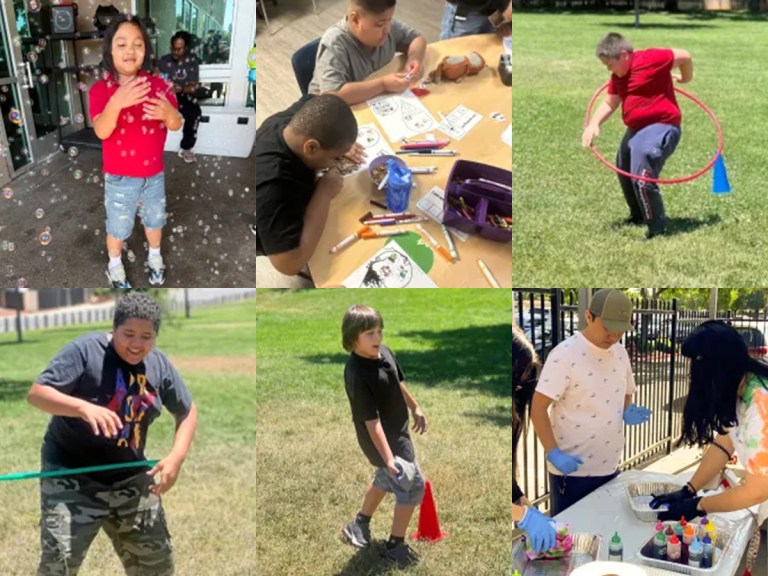
At High Road School, learning doesn’t stop when the school year ends. Once again this summer, students will continue building…March 27, 2026 -


High Road School of Delaware Student Spotlight: Leo
At High Road School of Delaware, Leo earned Student Spotlight of the Month for his positive attitude, consistent effort, and…December 5, 2025