

Oliver Builds Transition Skills at High Road School of Massachusetts
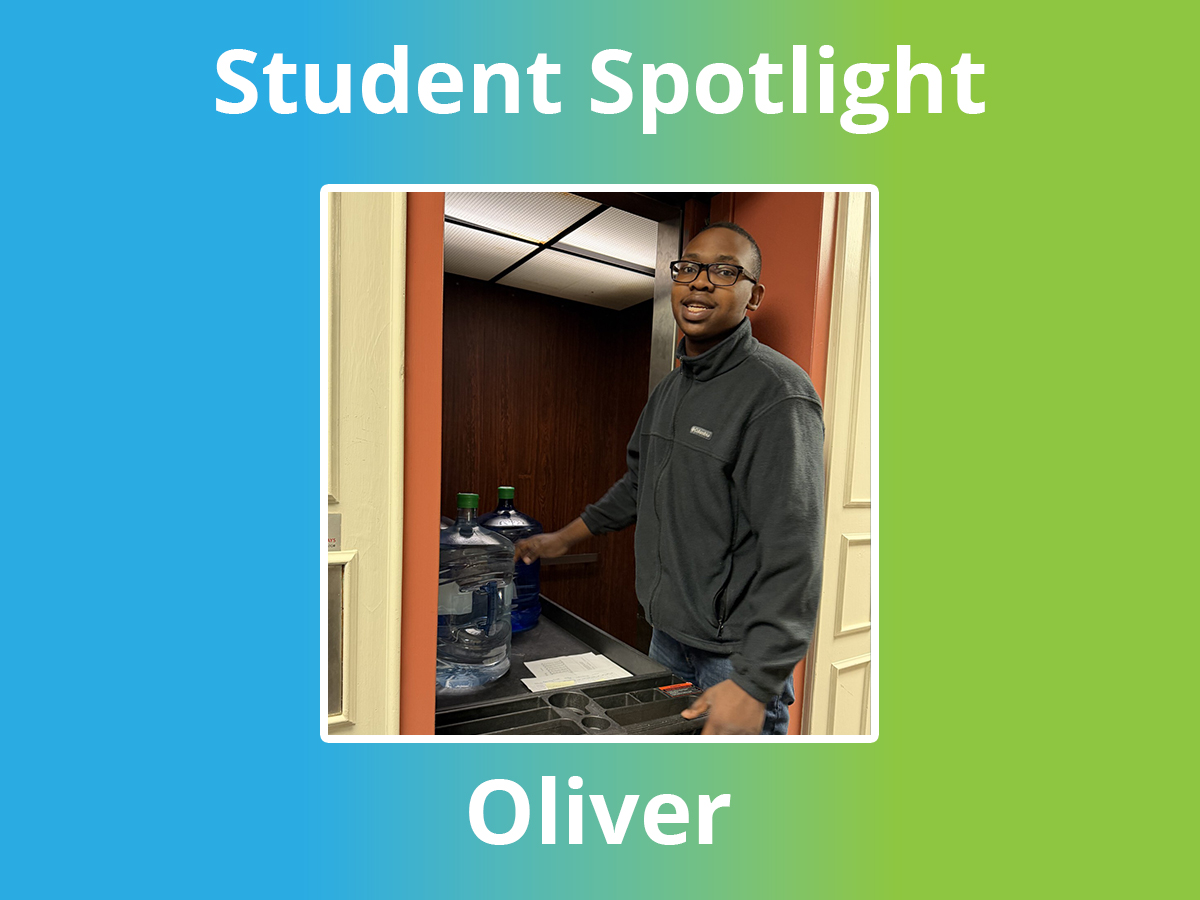
Over the past two and a half years at High Road School of Massachusetts, Oliver has made steady progress toward greater independence. Known as “Ollie,” he is continuing that growth through the school’s 12+ Transition Program.
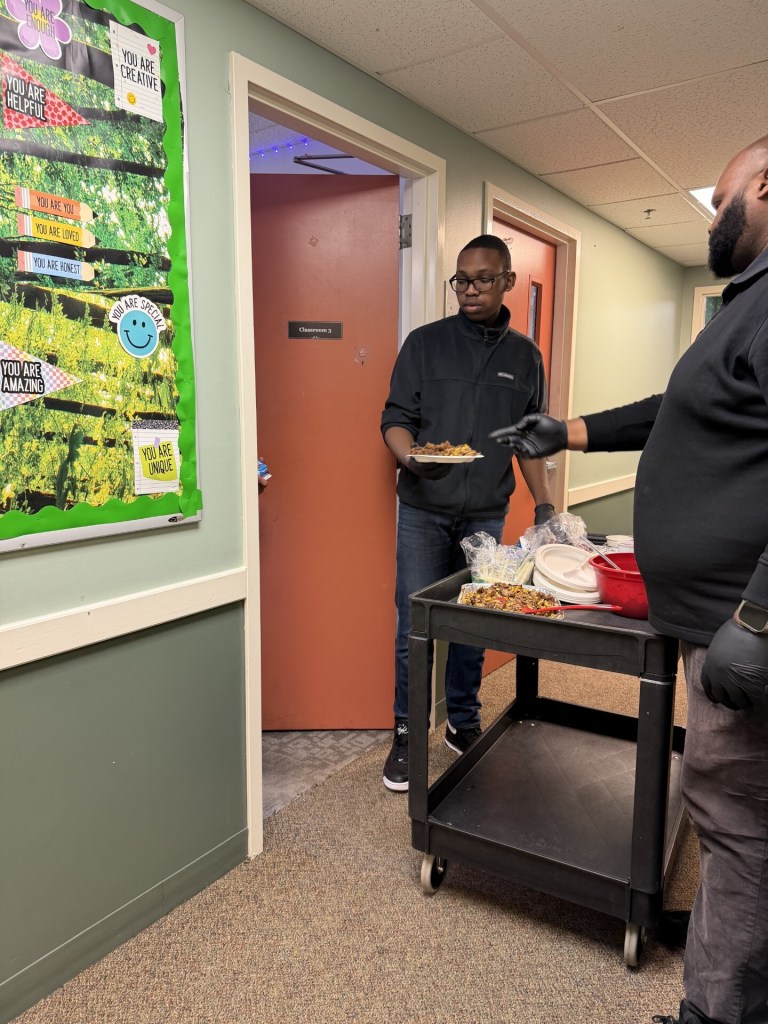
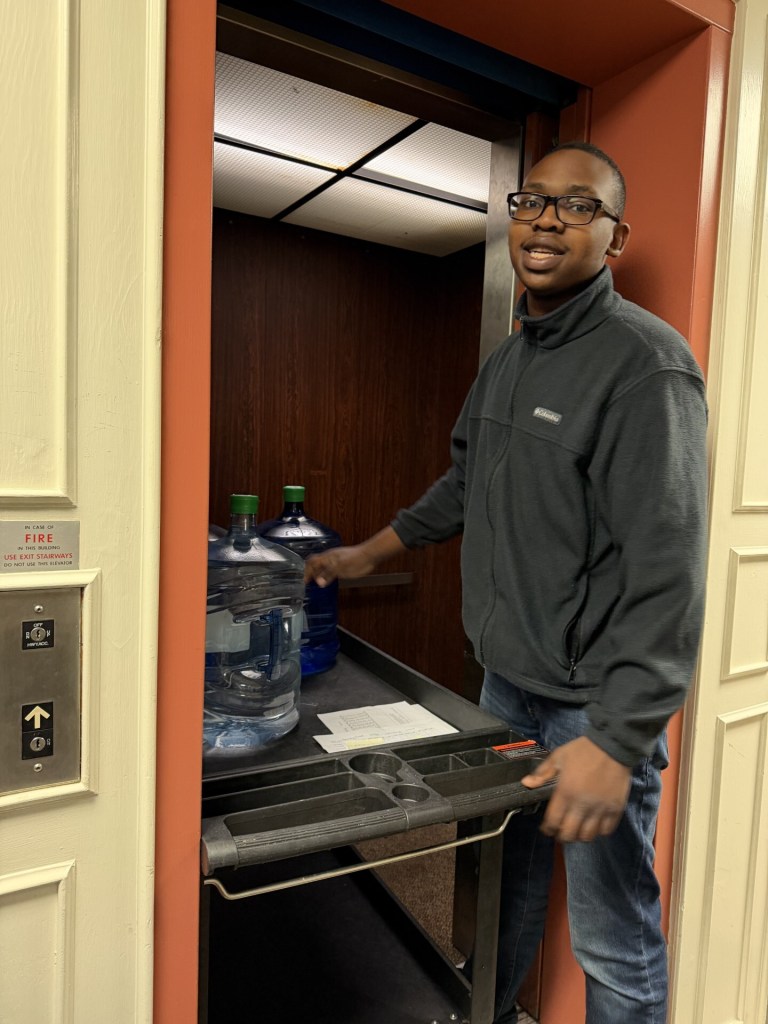
Working closely with Mr. Maxi, Ollie spends part of his day practicing skills he can use outside of school. His instruction includes communication, following routines, problem-solving, and taking greater responsibility for completing tasks independently.
Practicing Transition Skills for Everyday Life
The goal is to give Ollie plenty of practice using these skills in situations that reflect everyday life. Staff are seeing him become more confident and capable. He is building skills that can support him at home, in the community, and eventually in the workplace. His progress is also evident in the relationships he has formed at school.
Oliver is known for his friendly personality and his ability to connect with both students and staff. He has become particularly close with an 11th-grade student he affectionately calls his “little bro.” When the two cross paths during the school day, a dap is usually part of the greeting.
That connection offers a glimpse of a side of Oliver that staff knows well. He enjoys being around others and has become increasingly comfortable engaging with the people around him.
Growing Toward Greater Independence
Oliver’s dad sees that growth, too. He is pleased with Oliver’s progress and the support he receives at High Road School of Massachusetts. He remains an active partner as Oliver works toward greater independence.
With much of the school year still ahead, Oliver will continue focusing on skills that can prepare him for life after school.
Preparing Students for Life Beyond the Classroom
High Road School of Massachusetts serves students with academic, behavioral, and emotional needs through individualized instruction and support. Smaller class sizes and a structured learning environment allow educators to support student progress. These opportunities also help students prepare for greater independence beyond the classroom.
Related Resources
-
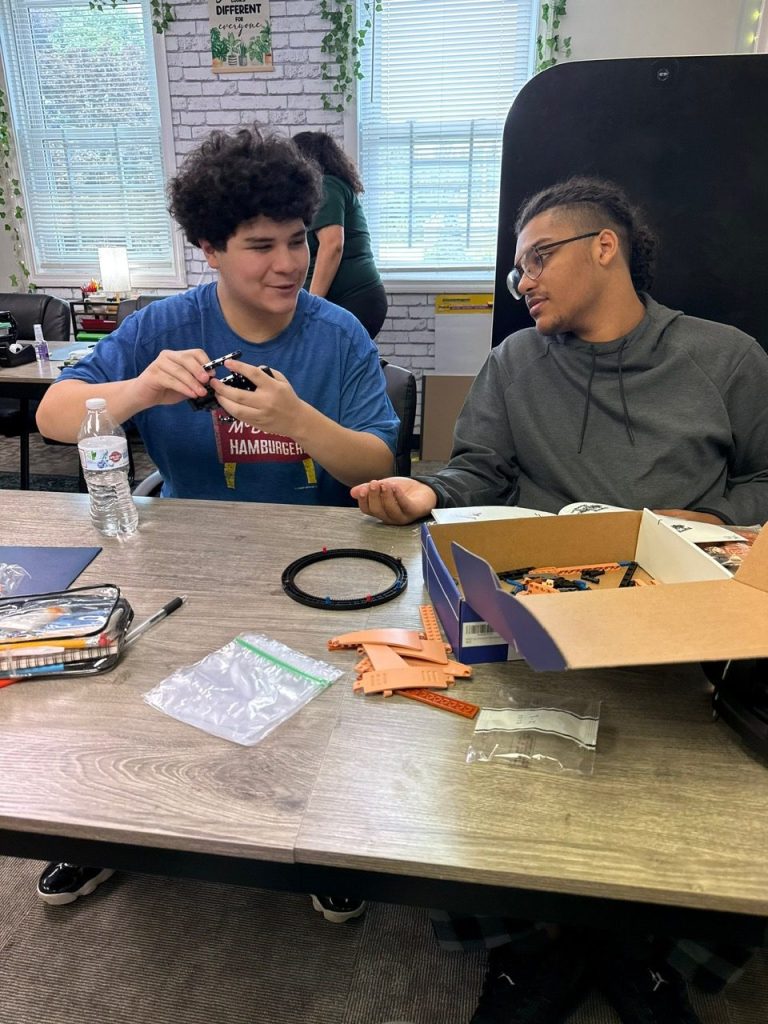

Learning Clicks Into Place at High Road School of Massachusetts
Building Skills Through Hands-On Learning A recent classroom activity at High Road School of Massachusetts put a new spin on…September 18, 2026 -
High Road School of Massachusetts Celebrates the Class of 2026
A Meaningful Milestone for Graduating Seniors On June 3, High Road School of Massachusetts proudly celebrated five graduating seniors during…June 12, 2026 -
Island Adventure: A Summer of Exploration at High Road School
At High Road School, learning doesn’t stop when the school year ends. Once again this summer, students will continue building…March 27, 2026